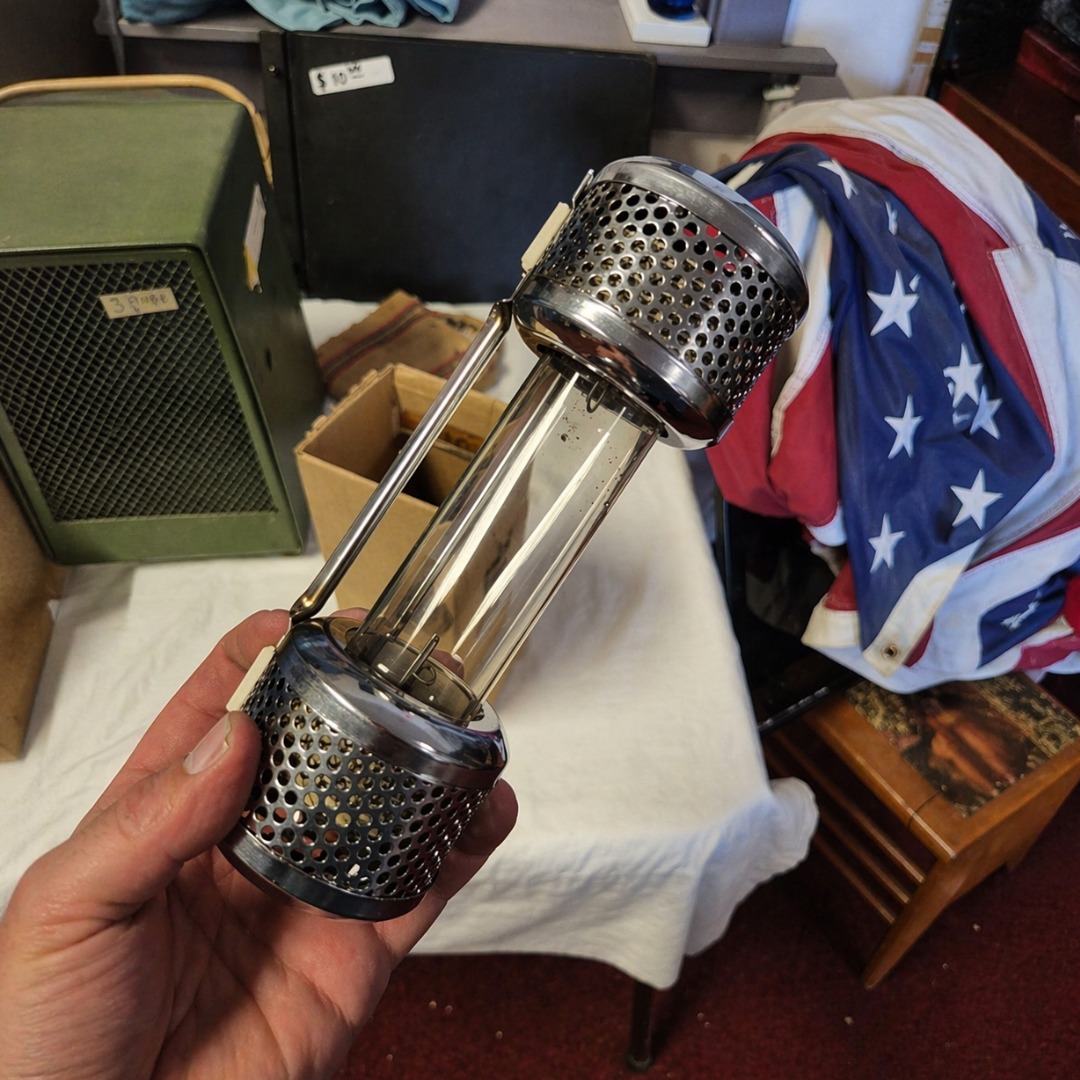
Before modern wellness gadgets filled American homes, there was the Sperti sunlamp—a small but memorable machine that brought light, warmth, and comfort into countless living rooms during the coldest months of the year. For many Americans who grew up in the 1950s and 1960s, this metallic device was more than a household object. It was a symbol of a time when people truly believed that science and technology could make everyday life better.
With its sleek chrome body, soft hum, and glowing blue light, the Sperti sunlamp looked futuristic for its time. On dark winter afternoons, it could transform an ordinary room into a place that felt brighter and somehow more hopeful. Families often used it as a way to recreate the feeling of sunlight indoors, especially when the sky stayed gray for days and the air outside felt bitter and still.
The lamp was originally developed in the 1930s by Dr. George Sperti, who wanted to bring the benefits of natural sunlight into the home. At the time, many people believed that ultraviolet light could help improve mood, skin conditions, and vitamin D levels. That made the sunlamp especially appealing in an era when home health devices were becoming part of the American lifestyle. By the middle of the twentieth century, it had earned a place in many households alongside other trusted appliances of the age.

But the Sperti sunlamp represented more than a health trend. It reflected the optimism of postwar America, a period when innovation seemed to promise a brighter future. After World War II, new inventions poured into homes across the country, each one carrying the message that modern life could be easier, healthier, and more comfortable. The sunlamp fit perfectly into that vision. It was simple, practical, and full of promise.
For many people, memories of the sunlamp are deeply personal. Some remember sitting quietly in its glow while flipping through a magazine. Others remember their parents reminding them to close their eyes and stay still as the warmth touched their face. In those brief moments, the lamp could make a frozen winter day feel a little more like summer. It offered not just physical warmth, but also a sense of calm that people still recall with affection today.
Although newer and safer wellness options have replaced devices like the Sperti sunlamp, its legacy remains strong. It still stands as a reminder of a time when Americans welcomed each new invention with genuine excitement. More than anything, it symbolizes a quiet kind of faith—the belief that light could push back darkness, and that comfort might be as simple as flipping a switch.
Today, the Sperti sunlamp survives mostly in memory, vintage collections, and nostalgic conversation. Yet its meaning has not faded. It remains an enduring emblem of an America that believed in progress, possibility, and the healing power of warmth and light. For those who remember its glow, it was never just a lamp. It was a small piece of sunshine in the heart of winter.