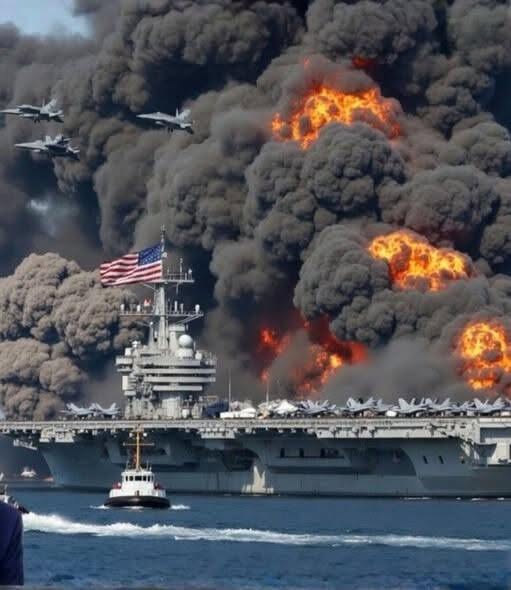
The digital landscape is currently flooded with alarming reports suggesting a major military vessel has come under sudden attack. However, beneath the sensational headlines and rapidly spreading social media posts lies a glaring reality: there is absolutely no credible, confirmed evidence from official government institutions or defense organizations to support these claims.
The Power of Misinformation
To understand why these stories gain such rapid traction, we must examine the mechanics of misinformation. Moments of intense global uncertainty create a highly fertile ground for rumors to thrive. When the public is desperate for updates regarding sensitive geopolitical topics or international conflicts, information gaps are almost immediately filled with unverified assumptions, panic-driven speculation, and occasionally, outright falsehoods.
Key Drivers Behind the Spread
Several distinct factors contribute to the viral dissemination of unverified claims. First, high public interest in geopolitical developments naturally draws global attention. People are inherently curious and concerned about global stability. Second, early data is almost always limited. Initial reports during a crisis are frequently incomplete, fragmented, or confusing.
The Critical Need for Verification
Information concerning military assets and national security is among the most sensitive categories of news in existence. Governments and defense organizations must follow strict, painstaking procedures before releasing any details about an incident. This deliberate delay is not merely an exercise in bureaucracy or a desire to hide the truth; it is a vital process designed to ensure accuracy and prevent misunderstandings that could easily escalate into widespread conflict. For example, alliances like NATO typically issue formal statements only after cross-checking operational data across multiple channels.