
How Trick Photography Uses Perspective, Timing, and Light to Create Eye-Catching Illusions
The Creative Power of Photography
Photography is an art form that allows people to capture moments in ways that can appear realistic, dramatic, humorous, or even impossible. A single image can tell a story, preserve emotion, or create a visual illusion that surprises viewers.
Among the many styles of photography, trick photography stands out because it transforms ordinary scenes into unusual visual experiences. Through careful positioning, lighting, and timing, photographers can create images that challenge the viewer’s understanding of scale, distance, and reality.
These creative images often spread quickly online because they encourage people to stop, look closer, and question what they are seeing.

The Importance of Perspective
Perspective is one of the most powerful tools in trick photography. The placement of subjects in relation to the camera can completely alter how objects appear in size and distance.
When a person stands close to the camera, they appear much larger than objects farther away. Photographers often use this effect intentionally to create amusing or confusing illusions.
For example, a person may appear to hold the sun in their hand during sunset photography. In reality, the sun is simply aligned with the subject from the camera’s point of view.
Another popular example involves travel photography. Tourists often pose in ways that make them appear to push over buildings, hold monuments between their fingers, or stand on top of distant landmarks.
These images work because the human brain naturally interprets depth and scale based on visual positioning.

How Lighting Changes a Photo
Lighting plays a major role in photography and can dramatically change the mood and appearance of an image. Natural light is especially important for creating strong visual effects.
The golden hour, which occurs shortly after sunrise and before sunset, is widely valued by photographers because of its warm tones and soft shadows.
This type of lighting enhances colors, textures, and facial features while reducing harsh contrasts. It can make even simple scenes appear cinematic and professionally arranged.
At beaches, pools, or outdoor locations, sunlight reflecting off surfaces can create bright highlights and visually striking effects.
Shadows also contribute to illusion photography. Depending on the direction of light, shadows may exaggerate shapes, alter facial expressions, or create dramatic visual depth.

Using Angles to Create Illusions
Camera angles strongly influence how a viewer interprets an image. Shooting from below can make people appear taller and more powerful, while shooting from above may make them seem smaller or more vulnerable.
Unusual angles can also create confusion about the relationship between objects in a photo. Tilting the camera or choosing an unexpected viewpoint often produces more visually engaging results.
Photographers sometimes intentionally align unrelated objects to appear connected. A distant object may seem to rest on someone’s shoulder, or a nearby hand may appear to interact with something far away.
These visual tricks rely entirely on positioning and perspective rather than digital editing.

The Popularity of Forced Perspective
Forced perspective is one of the most recognizable forms of trick photography. This technique manipulates depth perception to make objects appear much larger, smaller, closer, or farther away than they really are.
A common example involves holding a small item close to the lens while another subject stands farther away. The nearby object appears enormous compared to the distant figure.
This style is especially popular in travel photos and social media content because it creates playful and memorable images.
Photographers often experiment with forced perspective using landmarks, food, household items, or natural scenery.
Because the effect is created directly in-camera, it demonstrates how composition alone can completely transform visual storytelling.

Capturing Emotion and Timing
Timing is another essential element in successful photography. A perfectly timed image can capture reactions, movement, or expressions that last only a fraction of a second.
Photos showing surprise, laughter, confusion, or excitement often become memorable because they preserve genuine human emotion.
In trick photography, timing can strengthen the illusion. A jumping subject may appear to float in the air, while a moving object may seem frozen at the perfect moment.
Wind, water splashes, or sudden movements can add energy and unpredictability to a photograph.
Photographers who specialize in candid moments often rely on patience and quick reflexes to capture scenes that feel spontaneous and authentic.

The Role of Reflections
Reflections are another powerful creative tool in photography. Water, mirrors, windows, and shiny surfaces can duplicate or distort images in visually interesting ways.
When photographed carefully, reflections may create symmetrical scenes that appear almost unreal.
A calm body of water can act like a mirror, producing nearly identical reflections of buildings, mountains, or people.
Glass surfaces in cities often create layered visual effects where reflections blend with objects behind the glass.
These techniques can produce photographs that feel artistic, mysterious, or dreamlike without requiring complex editing.
Animals in Trick Photography
Animals frequently appear in playful illusion photography because their unpredictable movements can lead to amusing visual results.
A bird flying near the camera lens, for example, may appear gigantic compared to distant people or buildings.
Pets interacting with objects or people can also create scenes that seem carefully staged even when captured naturally.
Photographers often wait patiently for these spontaneous moments because they add humor and authenticity to an image.
The combination of natural animal behavior and creative composition can result in photos that quickly attract attention online.
How Clothing and Color Affect Images
Clothing choices can greatly influence the visual strength of a photograph. Bright colors, strong patterns, and reflective materials interact with light in ways that help subjects stand out.
Dark clothing may create dramatic contrast against bright environments, while lighter tones can produce softer and calmer visuals.
Swimwear and outdoor fashion photography often rely heavily on sunlight, color coordination, and background scenery to create visually appealing images.
When combined with effective poses and angles, clothing becomes part of the overall illusion and storytelling process.
Creating Humor Through Photography
Many trick photos become popular because they are humorous. Visual confusion encourages viewers to pause and examine the image more carefully.
A person may appear to shrink, float, or interact with something impossible simply because of camera placement.
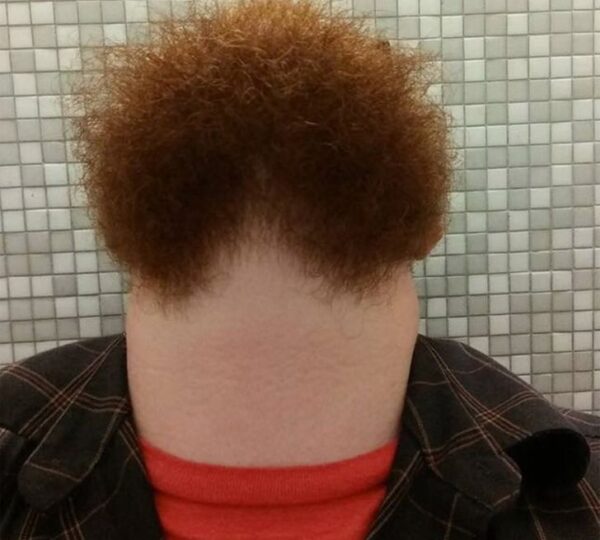
Funny comparisons often emerge naturally from these illusions. A pose, facial expression, or lighting effect might remind viewers of someone familiar, leading to playful online reactions.
Humor in photography works especially well because it combines creativity with surprise.

Why Social Media Loves Optical Illusions
Social media platforms have significantly increased the popularity of trick photography. Users enjoy images that create visual puzzles or unexpected effects.
Photos that challenge perception often generate strong engagement because people like sharing surprising or entertaining content.
Captions can also enhance the effect by guiding viewers toward a specific interpretation or joke.
Because smartphones now include advanced camera technology, more people can experiment with creative photography techniques without professional equipment.
This accessibility has encouraged millions of users to explore perspective tricks, reflections, and unusual compositions.
Everyday Locations Become Creative Spaces
One reason trick photography remains popular is that it does not require expensive studios or rare locations. Creative images can be captured almost anywhere.
Beaches, parks, city streets, bedrooms, kitchens, and sidewalks can all become stages for visual illusions.
Simple objects like cups, books, food, or sunglasses can appear unusual when photographed from the right angle.
Urban environments are especially useful because buildings, staircases, and reflections create opportunities for depth and distortion.
Even ordinary household scenes can look extraordinary when combined with creative thinking and careful framing.
The Art of Observation
Successful trick photography depends heavily on observation. Photographers must notice how light falls across surfaces, how objects align, and how movement changes a scene.
Small details often make the biggest difference. A shift of only a few inches can completely change the illusion created by perspective.
Patience is equally important. Waiting for the perfect shadow, reflection, or facial reaction can transform an average image into something memorable.
Many photographers experiment repeatedly before capturing the exact effect they want.
Long-Exposure and Motion Effects
Long-exposure photography introduces another creative dimension. By keeping the camera shutter open longer, moving objects appear blurred while stationary objects remain sharp.
This technique can create ghost-like figures, smooth water effects, or dramatic motion trails from vehicles and lights.
The result often feels surreal because the image captures movement in a way the human eye cannot naturally perceive.
Long-exposure photography demonstrates how time itself can become part of visual storytelling.

Photography as a Form of Storytelling
Beyond visual tricks, photography remains a powerful storytelling medium. Every image reflects choices about framing, emotion, timing, and composition.
A photograph of a couple laughing together may communicate warmth and happiness. A dramatic portrait with strong shadows may suggest mystery or intensity.
Even humorous illusion photos tell stories by encouraging viewers to interpret what they see.
Through perspective and creativity, photographers guide the audience’s attention and shape emotional reactions.
The Endless Possibilities of Creative Photography
Trick photography continues to evolve because creativity has no fixed limits. New angles, locations, and techniques constantly emerge as photographers experiment with fresh ideas.
Technology has made photography more accessible, but imagination remains the most important tool.
Whether using reflections, forced perspective, timing, lighting, or movement, photographers can transform ordinary moments into images that surprise and entertain.
These visual illusions demonstrate that photography is not only about documenting reality but also about exploring how reality can be interpreted differently through the lens.
Conclusion
Trick photography combines perspective, lighting, timing, and composition to create images that challenge perception and capture attention.
From forced perspective and reflections to humorous poses and dramatic lighting, these techniques allow photographers to produce memorable visual illusions using ordinary environments and simple tools.
The popularity of this style continues to grow because it blends creativity with entertainment. People are naturally drawn to images that surprise them, make them laugh, or encourage them to look twice.
Ultimately, trick photography highlights the imaginative side of the art form. It proves that with careful observation and creative thinking, even everyday scenes can become remarkable visual experiences.