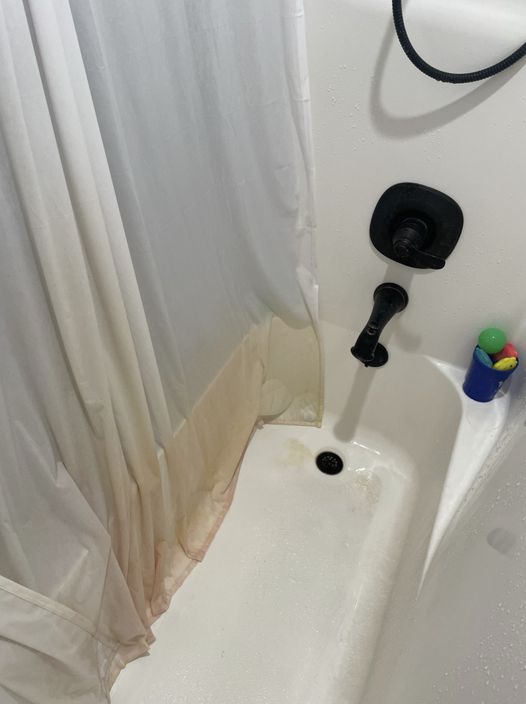

If you’re anything like me, you probably have strong opinions about bathrooms. Some people love sleek glass shower doors. Others prefer the warmth and personality that a shower curtain brings to the space. A curtain can soften the look of tile, add color, and make a bathroom feel more inviting.
But let’s be honest—shower curtains can get dirty fast.
One day they look fresh and bright. The next, you notice soap residue, cloudy streaks, or those mysterious dark spots along the bottom hem. Between humidity, water splashes, and soap buildup, the bathroom creates the perfect environment for grime to collect.
The good news? You don’t need to replace your shower curtain every few months. And you definitely don’t need to spend an hour scrubbing it by hand.
There’s a simple, low-effort method that can leave your curtain looking refreshed and smelling clean—with very little work on your part. In fact, once it’s in the washing machine, the process practically takes care of itself.
In this complete guide, you’ll learn:
- Why shower curtains get dirty so quickly
- The easiest way to clean them using your washing machine
- When to pre-treat stains (and when not to bother)
- How to prevent future buildup
- Tips for extending the life of your curtain
- Maintenance habits that save time and money
Let’s walk through the entire process step by step.
Why Shower Curtains Get Dirty So Fast
Before we talk about cleaning, it helps to understand what’s happening.
Bathrooms are warm and humid environments. Every time you shower, moisture lingers in the air. Combine that with soap residue and body oils, and you have the perfect setup for buildup along your curtain.
Common causes of shower curtain discoloration include:
- Soap residue
- Hard water minerals
- Moisture accumulation
- Inadequate ventilation
- Infrequent rinsing
The lower portion of the curtain is especially vulnerable because it’s constantly exposed to standing water and splashes.
The result? Stains, odors, and that “why does this look dirty already?” feeling.
The Zero-Effort Washing Machine Method
The easiest way to clean a shower curtain is by letting your washing machine do the heavy lifting.
This method works for:
- Plastic curtains
- Vinyl curtains
- Fabric shower curtains
- Most standard liners
Always check the care label first, but most modern shower curtains are machine washable.
Materials You’ll Need
Keep it simple. You likely already have everything at home.
- A washing machine
- Regular laundry detergent
- Baking soda
- White vinegar
- Two bath towels
That’s it.
No expensive specialty cleaners. No harsh chemicals. No scrubbing for an hour.
Step 1: Remove the Curtain
Yes, this is the only part that requires actual effort.
Unhook the shower curtain from the rings or rod. If you’re washing the liner as well, remove that too.
Give it a quick shake to loosen dust or debris before placing it into the washing machine.
Step 2: Optional Pre-Treatment for Stubborn Spots
If your curtain has visible buildup or darker spots along the bottom, you can pre-treat those areas.
This step is optional—but helpful for heavy staining.
How to Pre-Treat:
- Mix warm water with a few drops of laundry detergent.
- Sprinkle baking soda directly onto the stained area.
- Use a soft cloth or sponge to gently rub the surface.
No aggressive scrubbing is necessary. The goal is to loosen buildup, not damage the material.
If the curtain isn’t heavily stained, you can skip this step entirely.
Step 3: Load the Washing Machine
Place the shower curtain into the washing machine.
Add two bath towels.
The towels serve an important purpose:
They act as gentle scrubbers during the wash cycle. As the machine agitates, the towels rub against the curtain, helping remove buildup.
Make sure the load isn’t overcrowded. The curtain should move freely during washing.
Step 4: Add Detergent and Baking Soda
Pour in your usual amount of laundry detergent.
Then add:
½ cup of baking soda directly into the drum.
Why baking soda?
- Helps neutralize odors
- Breaks down soap residue
- Supports stain removal
- Boosts cleaning performance
It’s simple, affordable, and effective.
Step 5: Wash With Warm Water
Set your washing machine to:
- Warm water
- Gentle or normal cycle
Warm water helps dissolve soap residue and loosen grime.
Avoid hot water unless the care label specifically allows it. High heat can warp or damage plastic liners.
Cold water typically won’t remove buildup as effectively.
Step 6: Add White Vinegar During the Rinse Cycle
When the machine reaches the rinse cycle, add:
1 cup of white vinegar
Vinegar helps:
- Break down mineral deposits
- Remove lingering odors
- Rinse away detergent residue
- Leave the curtain feeling fresh
Do not mix vinegar and baking soda at the same time. Adding vinegar during the rinse cycle ensures each works effectively.
Step 7: Hang to Air Dry
Once the cycle finishes, remove the curtain immediately.
Do not place it in the dryer unless the label clearly says it’s safe.
Instead:
- Hang it back on the shower rod
- Spread it out fully
- Allow it to air dry
Most curtains dry quickly when fully extended.
When dry, you’ll likely notice:
- Brighter color
- Fewer visible stains
- Fresher scent
- Softer texture
And all with minimal effort.
How Often Should You Wash Your Shower Curtain?
A good rule of thumb:
- Light use: Every 4–6 weeks
- Heavy use or shared bathrooms: Every 3–4 weeks
Regular washing prevents buildup from becoming difficult to remove.
Extra Tips to Keep Your Curtain Cleaner Longer
Cleaning is easier when you prevent excessive buildup in the first place.
Here are smart maintenance habits that require almost no effort.
1. Rinse After Each Shower
After showering, use the showerhead to quickly rinse the inside of the curtain with warm water.
This washes away soap residue before it dries.
It takes less than 10 seconds.
2. Spread the Curtain Open
Never leave your curtain bunched up.
After showering:
- Pull it fully closed
- Let it hang straight
This allows air to circulate and helps it dry evenly.
Moisture trapped in folds encourages buildup.
3. Improve Ventilation
Humidity is the biggest contributor to bathroom grime.
Reduce moisture by:
- Running the exhaust fan
- Opening a window
- Leaving the bathroom door open
Better airflow = less buildup.
4. Use a Curtain Liner
A liner protects decorative fabric curtains from direct water exposure.
Liners are typically:
- Less expensive
- Easier to clean
- Replaceable if heavily worn
Using both a liner and a curtain extends the lifespan of your decorative piece.
5. Spot Clean Between Washes
If you notice a small stain, address it early.
Mix equal parts:
- White vinegar
- Warm water
Spray lightly, wait a few minutes, and wipe clean.
Small maintenance prevents major cleaning later.
Common Mistakes to Avoid
Even a simple cleaning process can go wrong if you skip key details.
Avoid these mistakes:
- Using bleach on colored curtains (may cause discoloration)
- Overloading the washer
- Skipping towels in the load
- Using very hot water on plastic liners
- Leaving the curtain damp and folded
Following the steps carefully ensures better results.
What About Glass Shower Doors?
Some people prefer glass doors because they appear easier to clean. However, glass requires frequent wiping to prevent water spots and mineral buildup.
Curtains, on the other hand:
- Hide water marks
- Add warmth to the space
- Offer easy machine washing
It ultimately comes down to personal preference.
Signs It’s Time to Replace Your Shower Curtain
Even with proper care, no curtain lasts forever.
Consider replacing it if you notice:
- Persistent odor after washing
- Cracking or brittleness (plastic liners)
- Tears or thinning fabric
- Permanent discoloration
Fortunately, with proper maintenance, most curtains last much longer than people expect.
Why This Method Works So Well
This cleaning method is effective because it combines:
- Mechanical agitation (washing machine movement)
- Friction (towels rubbing)
- Odor neutralization (baking soda)
- Mineral breakdown (vinegar)
- Warm water activation
Each element supports the others.
And best of all—you’re not scrubbing on your hands and knees.
The Real Benefit: Saving Time and Money
Replacing shower curtains frequently adds up.
Regular cleaning:
- Extends curtain lifespan
- Reduces waste
- Saves money
- Keeps your bathroom fresh
A clean curtain can instantly make the entire bathroom feel brighter and more hygienic.
Final Thoughts: Clean Curtain, Clear Mind
There’s something satisfying about stepping into a bathroom that feels fresh and tidy.
Your shower curtain plays a surprisingly large role in that feeling.
Instead of scrubbing endlessly or replacing it too often, let your washing machine do the work. With baking soda, vinegar, and a couple of towels, you can refresh your curtain with almost no effort at all.
Add a few small maintenance habits—like rinsing after showers and improving ventilation—and you’ll spend far less time worrying about buildup in the future.
Simple habits. Minimal effort. Noticeable results.
Give it a try, and you may be surprised at how clean—and how new—your shower curtain can look without breaking a sweat.