
When a slug makes its way into your yard or even into your house, you might be tempted to simply ignore it or, at worst, get rid of it. After all, slugs often seem to evoke a sense of disgust. They crawl slowly, leave slimy trails behind, and seem to eat anything they can find in the garden. But what if I told you that these seemingly unremarkable creatures carry far more meaning than their appearance suggests?
What if the presence of a slug in or around your home signals something much deeper and more beneficial to your environment than you might have realized?
A Slug’s Ecological Significance
Slugs may seem like just another garden pest, but they are much more than that. These creatures are highly beneficial to the ecosystems around your home. They are part of a complex network of organisms working tirelessly to keep the environment healthy and balanced. From their roles in decomposition and soil health to their importance in the food chain, slugs are vital members of the biological community.
Before we delve into what a slug visiting your home really means, let’s take a moment to understand what slugs are and why they are so important.
What Exactly Is a Slug?
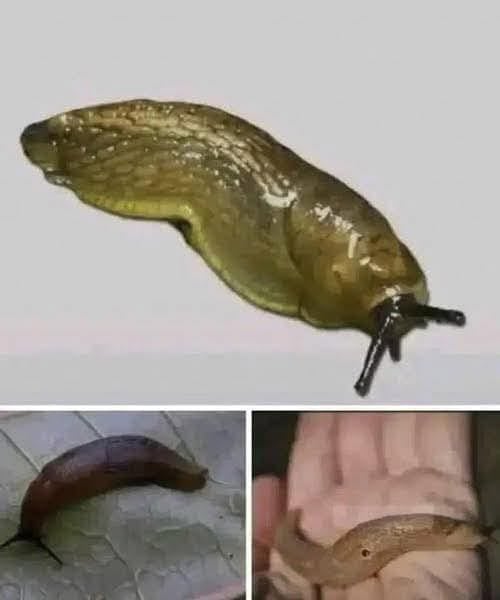
Slugs are often misunderstood. At first glance, they may seem unimportant or even repulsive, but the reality is far more fascinating. A slug is essentially a land snail without an external shell. While some species of slugs still retain a tiny internal shell, most of the ones we encounter are shell-less. They are members of the class Gastropoda, which also includes snails. Like snails, slugs are mollusks, soft-bodied invertebrates that thrive in moist conditions.
Slugs have evolved to live in these damp environments and have developed various adaptations to survive. One key adaptation is the slime they produce. The slime serves a variety of purposes: it helps slugs move across rough surfaces, prevents them from drying out, and even acts as a shield against predators and parasites.
When you spot a slug in your garden or on the patio, it’s often leaving behind a silvery, shiny trail. This trail, far from being a nuisance, is a crucial part of their survival strategy. It allows them to glide over uneven surfaces, climb plants, and move around without injuring themselves.
Why Do Slugs Appear Around Your Home?
So why are slugs showing up at your house in the first place? The simple answer is: they are drawn to environments that support life. Slugs thrive in moist, organic-rich environments that provide them with the food, moisture, and cover they need to survive. If you’ve seen slugs around your home, it’s a sign that your yard is biologically active, rich in organic matter, and in good ecological health.
Here’s a list of the conditions slugs find most appealing:
- Damp soil: Slugs need moisture to survive, and wet, cool conditions are ideal for them.
- Decaying plant matter: Fallen leaves, dead plant material, and compost piles provide the slugs with a rich source of food.
- Mulch: Slugs love the cool, moist environments beneath mulch, where they can hide and find food.
- Dense vegetation: Thick gardens with dense plants or shrubs often harbor slugs, as they offer both shelter and food.
In short, the presence of slugs means that your environment is supporting a diverse ecosystem. A healthy, vibrant garden or yard is likely to attract slugs, which in turn helps enrich the soil and encourage the growth of new plants.
Nature’s Cleanup Crew: The Role of Slugs in Decomposition
Slugs play a crucial role in the natural recycling process of ecosystems. Their primary function is to decompose organic matter. This is important because it allows nutrients from dead plants, fungi, and algae to be returned to the soil, where they can be used by living plants.
Slugs feed on a variety of organic material, including:
- Fallen leaves: Slugs break down dead plant material, which accelerates the process of decomposition.
- Fungi: Slugs often feed on fungi, further contributing to the recycling process in nature.
- Dead plant material: As slugs digest decaying plants, they break down tough plant material, like cellulose, into smaller components.
- Algae: Some slugs consume algae, further cleaning up the environment.
By consuming this organic material, slugs help to break it down into smaller particles, which can be further processed by bacteria and fungi. This breakdown speeds up the decomposition process, which in turn accelerates the return of nutrients to the soil.
Soil Health and Fertility: How Slugs Contribute to Garden Success
Healthy soil isn’t just dirt—it’s a living community. The soil beneath our feet teems with organisms, including bacteria, fungi, insects, worms, and slugs. Each of these organisms plays a vital role in creating fertile, nutrient-rich soil. Slugs are important contributors to this system.
When slugs consume decaying organic material, they help:
- Break down cellulose: This helps release nutrients locked inside plant material.
- Support microbial activity: The decomposition process encourages the growth of microbes, which further help break down organic matter.
- Redistribute nutrients: Slugs contribute to nutrient cycling, returning processed nutrients to the soil in a form that plants can easily absorb.
Slugs may not have the same reputation as earthworms when it comes to soil health, but they are an integral part of the same system. In fact, slugs complement earthworms by feeding on plant material that is too tough for worms to process. Together, these creatures help create the rich, fertile soil that gardeners and farmers rely on for healthy crops and plants.
Slugs as a Key Link in the Food Chain
Slugs don’t just help with decomposition—they also serve as a food source for many other animals. A variety of predators rely on slugs to sustain themselves. Some of the animals that feed on slugs include:
- Birds: Many species of birds, including thrushes and robins, are known to feed on slugs.
- Toads and frogs: Amphibians are natural slug predators and often hunt them in damp areas.
- Hedgehogs: These nocturnal creatures are known to forage for slugs, making them an important part of the food chain.
- Beetles and small mammals: A range of beetles and small mammals, such as shrews, will consume slugs if given the opportunity.
The presence of slugs in your yard is a sign that your local food chain is functioning well. Birds, toads, and other creatures can thrive in environments where slugs are abundant, and removing slugs from your ecosystem can have ripple effects throughout the food web.
Slugs as Environmental Indicators
One of the most fascinating aspects of slugs is that their presence can be an indicator of environmental conditions. Slugs are particularly sensitive to changes in moisture, so seeing them around your home can reveal a lot about the current state of the environment.
If slugs are frequently appearing around your home, it could mean:
- High humidity levels: Slugs thrive in damp conditions, so their appearance often signals high humidity in your area.
- Recent rainfall: Slugs are more likely to appear after a rainstorm, as the moisture provides the ideal conditions for them to emerge and forage.
- Adequate ground cover: Slugs often hide under leaves, mulch, or other ground cover. If you have a well-mulched garden, it’s likely you’ll attract slugs.
- Moisture in your home: If slugs are appearing inside your house, particularly in areas like basements or crawl spaces, it could indicate excess moisture or leaks in your foundation.
Rather than seeing slugs as pests, think of them as environmental indicators that can tell you a lot about the conditions inside and outside your home.
Slugs in Science and Medicine
While slugs may seem like humble garden creatures, their unique biology has caught the attention of scientists and researchers. Slug mucus, also known as slime, has been studied extensively for its potential medicinal properties. This mucus contains compounds that are beneficial in a variety of ways.
Some of the properties of slug mucus include:
- Moisture retention: Slime helps slugs retain moisture, an essential survival mechanism in their often-dry environments.
- Cell regeneration: The mucus contains compounds that promote cell growth and healing, which makes it useful in wound healing and tissue regeneration.
- Antibacterial properties: Slug mucus has natural antibacterial properties that help protect slugs from infections.
As a result, researchers have begun studying slug and snail mucus for its potential applications in skincare and medicine. In fact, snail mucin has become a popular ingredient in skincare products due to its hydrating and healing properties.