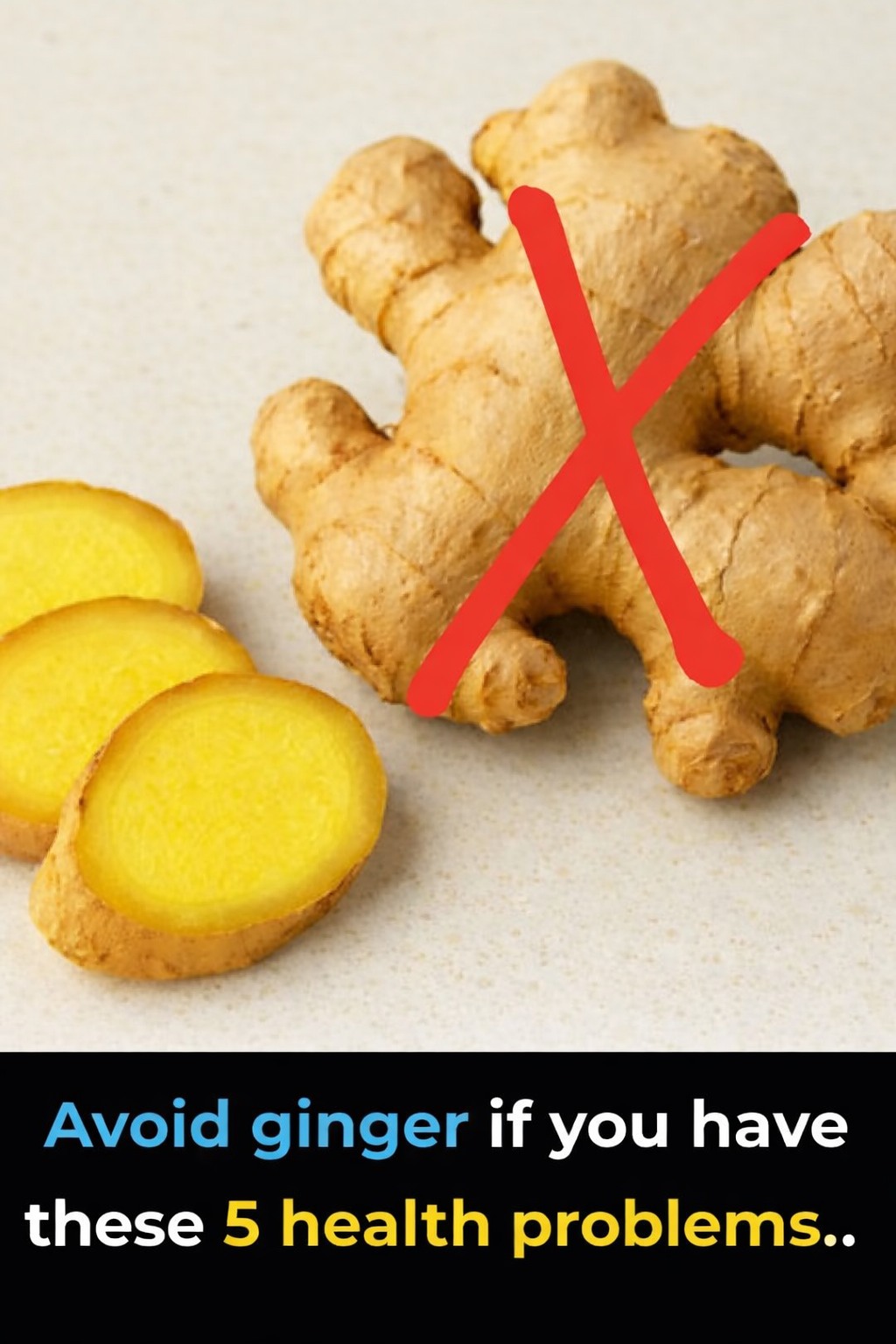

Ginger is widely known for its strong anti-inflammatory and digestive properties. It’s a common home remedy for nausea, colds, and muscle soreness — and for most people, it’s completely safe.
However, ginger doesn’t affect everyone the same way. For some people with certain medical conditions, consuming ginger regularly or in large amounts may actually cause more harm than benefit.
Here are five health situations where you should reconsider adding ginger to your diet — along with safer alternatives.
People with Bleeding Disorders or Taking Blood Thinners
Why to avoid ginger:
Ginger contains natural compounds that can thin the blood and slow clotting. While this may support circulation and reduce inflammation in healthy individuals, it can be risky for people with bleeding disorders or those taking anticoagulant medications like warfarin, aspirin, or clopidogrel.
Consuming too much ginger may raise the risk of prolonged bleeding, frequent bruising, or nosebleeds — especially when combined with other natural blood-thinning ingredients such as garlic or ginseng.
Better alternatives:
- Use turmeric in small amounts — it offers anti-inflammatory benefits without strongly thinning the blood.
- Increase vitamin K intake through foods like spinach, kale, and broccoli to help maintain healthy clotting.
- Always speak with your doctor before using herbal supplements if you are taking prescription blood thinners.
People with Diabetes
Why to avoid ginger:
Ginger is known to lower blood sugar levels by improving insulin sensitivity. However, for people with diabetes who are already using insulin or glucose-lowering medications, this effect may trigger hypoglycemia — dangerously low blood sugar that can cause dizziness, sweating, confusion, or even fainting.
Better alternatives:
- Drink green tea or cinnamon tea, which may help support blood sugar control in a gentler way.
- Focus on balanced meals that include whole grains, lean protein, and fiber-rich vegetables to stabilize glucose levels.
- Check blood sugar regularly and discuss any herbal use with your healthcare provider.
People with Heart Disease or Taking Heart Medication
Why to avoid ginger:
In moderate amounts, ginger may support healthy circulation, but excessive intake could interfere with certain heart medications such as beta-blockers, calcium channel blockers, or antiarrhythmic drugs. Some research suggests that large amounts of ginger might contribute to irregular heartbeat, blood pressure changes, or heart palpitations.
Better alternatives:
- Choose garlic or omega-3 fatty acids (found in salmon, flaxseed oil, or walnuts), which help lower cholesterol and reduce inflammation safely.
- Maintain a heart-friendly diet low in sodium and rich in fruits, vegetables, and healthy fats.
- Consult a cardiologist before using herbal remedies.
Pregnant Women (Especially in the Last Trimester)
Why to avoid ginger:
Ginger is often suggested during early pregnancy to help relieve morning sickness. However, during the third trimester, large amounts of ginger may stimulate uterine contractions, which could increase the risk of premature labor or miscarriage. Although the risk is relatively small, it is safer to limit intake, particularly for women who have experienced pregnancy complications.
Better alternatives:
- Drink warm lemon water or peppermint tea to ease nausea without stimulating the uterus.
- Eat small, frequent meals and avoid spicy or greasy foods that may worsen nausea.
- Always consult your obstetrician before using herbal supplements.
People with Gallstones or Stomach Ulcers
Why to avoid ginger:
Ginger can increase bile production and stomach acid levels. While this may aid digestion for many people, it can irritate those with gallstones or peptic ulcers and may worsen symptoms such as bloating, nausea, or upper abdominal pain.
Better alternatives:
- Try chamomile tea or aloe vera juice, which can soothe the digestive tract and reduce acid irritation.
- Eat smaller, more frequent meals and avoid fried or acidic foods.
- Speak with your doctor before using digestive herbs if you have chronic stomach conditions.
Summary Table
| Condition | Why Ginger Is Risky | Healthier Alternative |
|---|---|---|
| Bleeding disorders | Increases bleeding risk | Turmeric (small amount), vitamin K foods |
| Diabetes | May lower blood sugar too much | Green tea, cinnamon tea |
| Heart disease | May affect heart rhythm | Garlic, omega-3 oils |
| Pregnancy (late stage) | May trigger contractions | Lemon water, peppermint tea |
| Gallstones / Ulcers | Increases bile and acid | Chamomile tea, aloe vera juice |
General Tips for Better Health

- Eat a balanced diet filled with colorful fruits, vegetables, and whole grains.
- Stay hydrated by drinking at least 6–8 glasses of water daily.
- Limit excessive caffeine, sugar, and processed foods.
- Exercise regularly, manage stress, and aim for at least 7 hours of quality sleep each night.
Remember: even natural ingredients like ginger can have powerful effects — so it’s best to use them wisely and in moderation.