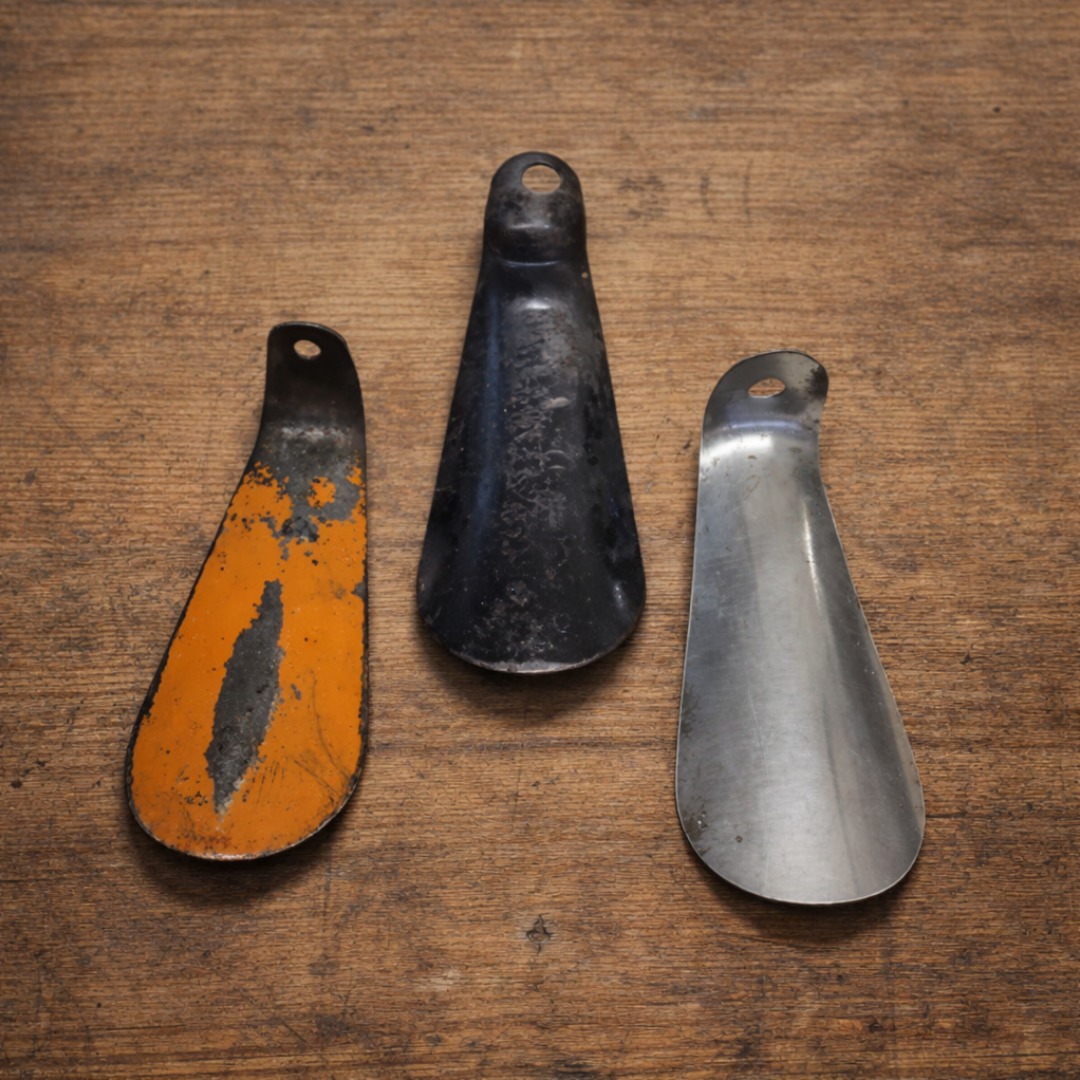
An unusual-looking object recently left many people online confused—until its real identity was revealed: a shoe horn. Often overlooked, this tool has been quietly helping people put on shoes more easily for centuries. Despite its simple design, the shoe horn remains one of the most practical everyday inventions.
What a Shoe Horn Does (and Why It Matters)
A shoe horn is designed to help you slide your foot into a shoe smoothly without damaging the back of the shoe. It protects a key area called the heel counter, which can be crushed or weakened when you force your foot into a tight shoe.
Key benefits of using a shoe horn include:
- Prevents the heel from bending or collapsing
- Helps shoes keep their original shape longer
- Makes putting on shoes faster and easier, especially tight-fitting styles
- Reduces unnecessary pulling and stretching of the shoe opening
A Brief History of Shoe Horns
Shoe horns have a long and fascinating history that dates back to the 15th century.
Early shoe horns (15th century and beyond):
- Made from animal horn, bone, or wood
- Built for durability and function
- Used to protect shoes at a time when footwear was often expensive and meant to last
How shoe horns evolved over time:
- Industrial Revolution: introduced stronger materials like brass and steel, improving longevity.
- 19th–20th centuries: saw the rise of plastic and synthetic materials, making shoe horns cheaper and widely available.
- Some versions became luxury items, made from silver and decorated with intricate designs, turning a practical tool into a status symbol or collectible.
How to Use a Shoe Horn Properly
Using a shoe horn is straightforward, but doing it correctly helps your shoes last longer.
Basic steps:
- Place the shoe horn against the inside back of the shoe, at the heel.
- Slide your heel down along the curved surface.
- Once your foot is in, remove the shoe horn gently.
When shoe horns are most helpful:
- Shoes with stiff backs or narrow openings
- Dress shoes that you want to keep looking sharp
- Anyone trying to reduce wear and tear on everyday footwear
Types of Shoe Horns and Who They’re For
Shoe horns come in multiple sizes and designs, each suited to different needs.
Common styles:
- Short, handheld shoe horns:
- Compact and portable
- Great for travel or quick daily use
- Long-handled shoe horns:
- Ideal for people with limited mobility
- Helpful for anyone who struggles to bend down
- Lets you put on shoes while standing, adding comfort and safety
The Legacy: More Than Just a Tool
While shoe horns are still widely used today, they also carry cultural and historical value. Many antique shoe horns are admired for their craftsmanship, and collectors often seek pieces featuring:
- Ornate handles
- Engravings and decorative patterns
- Premium materials such as silver or high-quality metal alloys
For some, a shoe horn is a daily essential. For others, it is a small, tangible piece of history—proof that even the simplest objects can reflect the technology, design taste, and lifestyle of their era.
Conclusion
The shoe horn may look like an “odd object” at first glance, but its purpose is surprisingly practical: protecting shoes and making them easier to wear. With roots reaching back to the 15th century, it remains a timeless example of how a simple invention can stay relevant across generations.