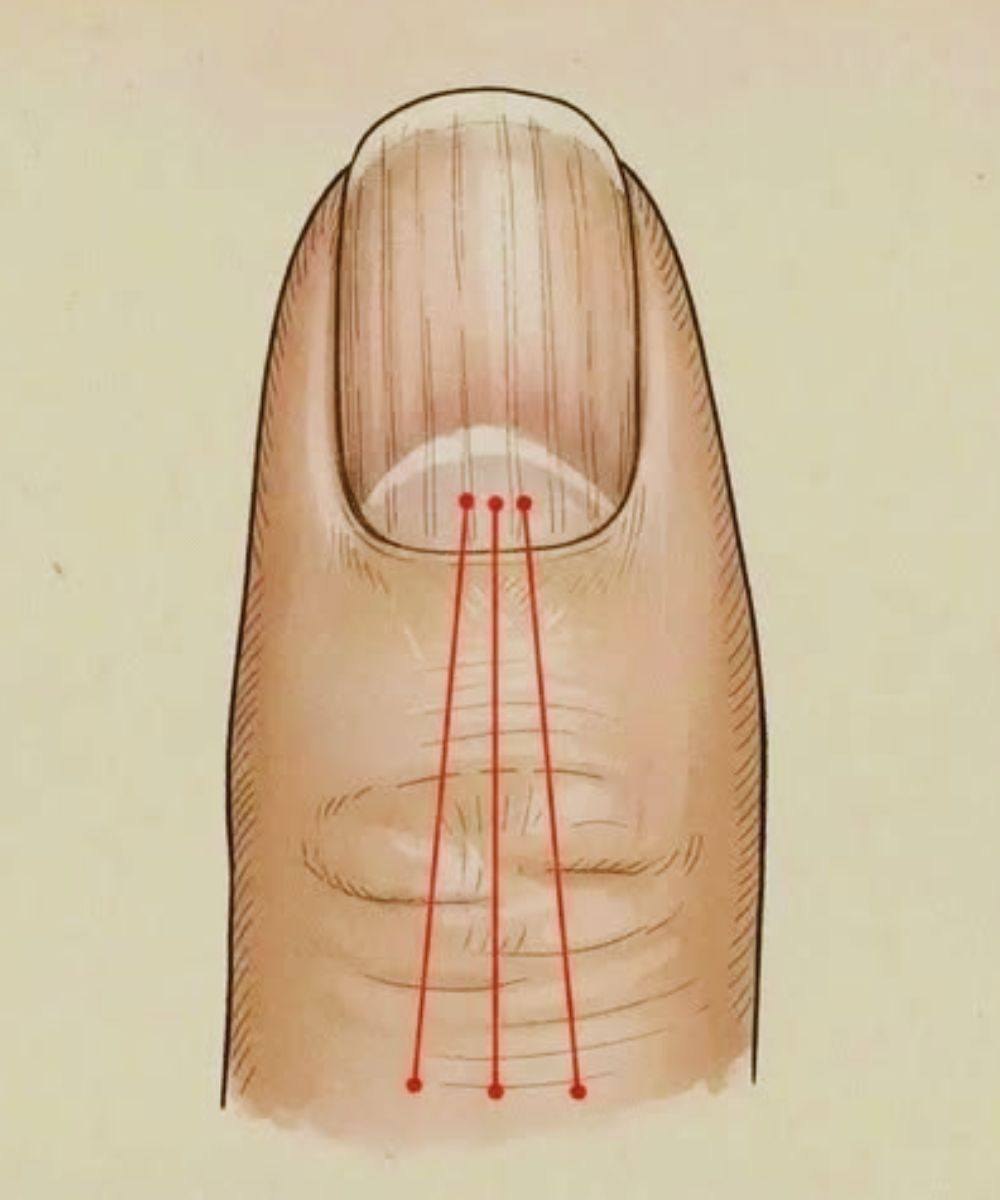
Your nails are more than just a canvas for polish—they’re windows into your overall health. Brittle, peeling, ridged, or slow-growing nails can often be traced back to nutritional gaps. While genetics and external factors (like frequent hand-washing or gel manicures) play a role, what you eat has a profound impact on nail strength, growth, and appearance.
Here’s a science-backed guide to the key nutrients your nails crave—and how to get them.
💅 Top 6 Nutrients for Strong, Healthy Nails
1. Biotin (Vitamin B7)
- Why it matters: Essential for keratin production—the protein that makes up nails, hair, and skin.
- Deficiency signs: Thin, splitting nails; hair loss.
- Daily need: 30 mcg (most adults get enough, but supplementation may help if deficient).
- Food sources: Eggs (yolk), almonds, sweet potatoes, salmon, avocado, nuts, seeds.
- Note: Studies show biotin supplements can improve nail thickness in people with brittle nails—but only if deficient.
2. Protein
- Why it matters: Nails are ~95% keratin, a structural protein. Without adequate protein, nails grow slowly and weaken.
- Daily need: 0.8g per kg of body weight (more if active).
- Food sources: Lean meats, fish, eggs, Greek yogurt, lentils, tofu, quinoa.
3. Iron
- Why it matters: Iron deficiency (even without anemia) is linked to spoon-shaped nails (koilonychia) and brittleness.
- At-risk groups: Women (due to menstruation), vegetarians, frequent blood donors.
- Food sources: Red meat, spinach, lentils, fortified cereals, pumpkin seeds.
- Tip: Pair plant-based iron with vitamin C (e.g., bell peppers, citrus) to boost absorption.
4. Omega-3 Fatty Acids
- Why it matters: Reduce inflammation and support nail bed hydration—preventing dryness and cracking.
- Food sources: Fatty fish (salmon, mackerel, sardines), flaxseeds, chia seeds, walnuts.
- Bonus: Also improves cuticle health and shine.
5. Zinc
- Why it matters: Critical for cell growth and repair. Deficiency causes white spots (leukonychia), slow growth, and nail plate thinning.
- Food sources: Oysters (highest source!), beef, pumpkin seeds, chickpeas, cashews.
6. Vitamin C
- Why it matters: Needed for collagen synthesis, which supports the nail matrix (growth center). Also aids iron absorption.
- Food sources: Citrus fruits, strawberries, bell peppers, broccoli, kiwi.
🚫 What Weakens Nails (Beyond Diet)
- Frequent wet-dry cycles (washing dishes without gloves)
- Harsh chemicals (acetone-based removers, detergents)
- Gel/acrylic manicures (can thin nail plates over time)
- Chronic stress or illness (slows growth)
✅ Daily Habits for Healthier Nails
- Eat a balanced diet rich in whole foods—focus on colorful veggies, lean protein, and healthy fats.
- Stay hydrated—dehydration leads to brittle nails.
- Wear gloves when cleaning or doing dishes.
- Moisturize cuticles daily with jojoba oil or shea butter.
- Avoid biting or picking—trauma damages the nail matrix.
⚠️ When to See a Doctor
Consult a healthcare provider if you notice:
- Deep vertical ridges (can be normal with age—but sudden changes aren’t)
- Horizontal ridges (Beau’s lines)—may indicate past illness or nutrient deficiency
- Discoloration, thickening, or separation—could signal fungal infection or psoriasis
- Persistent white spots—usually trauma, but rule out zinc deficiency
💡 Note: Most “white spots” are from minor injury—not calcium deficiency (a common myth).
❤️ The Bottom Line
Strong, shiny nails start in the kitchen—not the salon. By fueling your body with the right nutrients, you support not just your nails, but your hair, skin, and overall vitality.
“Your nails grow from within. Feed them well, and they’ll show it.”
So enjoy those eggs, snack on almonds, and savor that salmon. Your future manicure will thank you—naturally. 💛✨