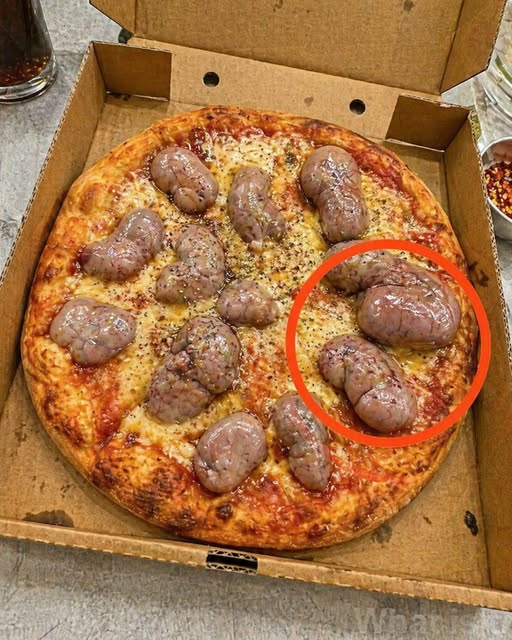
I ordered a pizza one evening, and when the delivery driver handed it to me, I paused for a second. The pizza looked unusual. Instead of the normal smooth layer of melted cheese and toppings, parts of the surface looked raised, uneven, and slightly puffed up.
At first, it made me wonder if something had gone wrong during cooking. When food looks different from what we expect, it is easy to think there might be a problem. The strange bumps made the pizza seem unfamiliar, and that created a little doubt about whether it had been prepared properly.
After checking similar examples and reading more about how pizza bakes, the answer became simple. The raised areas were completely normal. During baking, heat causes air and moisture trapped inside the dough to expand, creating bubbles and uneven spots on the surface.
Cheese can also cause the same effect. As it melts, it traps small pockets of air or steam underneath, which can create little bubbles or lifted areas. Oven temperature, dough thickness, and baking time can all change how these shapes appear.
In the end, there was nothing wrong with the pizza at all. What looked strange at first was just a natural part of baking. It was a good reminder that appearance can sometimes be misleading, especially with food, and that simple cooking science often explains what seems unusual.