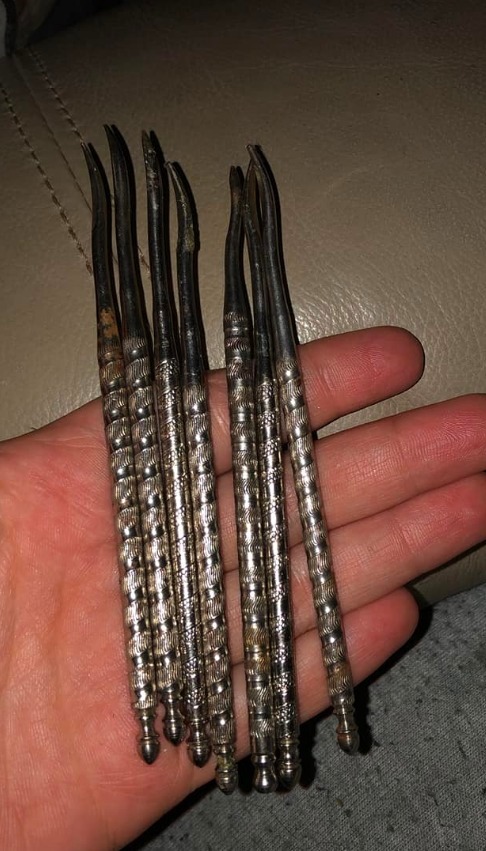

The world of kitchen
tools is vast, with many devices having humble beginnings but gaining significance over time. Among these, the nut pick is a tool often overlooked, yet integral to certain culinary traditions. If you’ve ever come across these small, sharp tools and wondered what they are, you’re not alone. Recently, a friend discovered a set of these in his grandparents’ belongings and was puzzled by their purpose. Often associated with vintage kitchenware from the mid-20th century, nut picks are closely related to nutcrackers and serve a specialized role in extracting the edible portions of nuts, especially from hard-to-crack varieties like chestnuts.
This article will delve deeper into the significance of nut picks, their practical uses, their history, and some expert insights into their place in modern kitchens.
The Hidden Meaning / Significance of Nut Picks
Nut picks are more than just quaint kitchen accessories. They represent a combination of practicality and tradition that has been passed down through generations. For many, these tools evoke nostalgia, reminding us of family gatherings around the holidays, when nuts like chestnuts and hazelnuts were a common snack or cooking ingredient.
A Functional Tool with Specialized Purpose
Nut picks, as their name implies, are designed specifically to assist in extracting the edible nut from its tough, often spiky shell. Unlike a nutcracker, which is used to break open the shell, nut picks are employed after the nut has been cracked, allowing users to carefully pry the meat out from smaller openings or areas of the shell. The sharp, pointed ends are ideal for this task, making the process easier and cleaner.
While nut crackers were often associated with hard-shell nuts like walnuts and pecans, nut picks find their true calling with chestnuts, whose shells are particularly stubborn. They also have uses in the seafood world, where they assist in retrieving crab or lobster meat, offering versatility beyond just nut-related tasks.
Symbol of Tradition and Craftsmanship
In many households, nut picks were stored alongside a set of matching nutcrackers in decorative bowls, sometimes crafted from wood or designed to resemble hollowed-out tree trunks. This reflects a time when kitchenware was more than just functional – it was a part of family heritage and even an artistic expression. Owning a vintage nutcracker set today can symbolize a connection to an era of craftsmanship that valued both form and function.
For collectors, these tools carry historical value. Mid-century nut pick sets, like the ones from the 1940s and 1950s, are still sought after today. They often feature intricate designs and materials that may not be found in modern alternatives.
Practical Implications for People, Consumers, and Businesses
While nut picks may seem like niche items, they still hold practical value for a variety of purposes. Whether you’re a homeowner looking to add a unique touch to your kitchen or a business that sells vintage tools, understanding the utility and appeal of nut picks can guide your purchasing or selling decisions.
A Necessary Tool for Nut Lovers
For consumers who love nuts, particularly those who indulge in seasonal treats like chestnuts, nut picks are essential. Chestnuts, unlike other nuts, have a hard outer shell that needs to be cracked open, and the nut itself is often lodged deep inside. Nut picks allow you to retrieve the nut without damaging it, ensuring the cleanest possible extraction. This makes them an ideal tool for anyone who enjoys chestnuts roasted over an open fire or in a holiday recipe.
Moreover, consumers interested in healthy snacking options might find that investing in quality nut picks enhances their experience. As many people turn to healthier diets with increased interest in organic and fresh snacks, tools like nut picks can make accessing these snacks more efficient and enjoyable.
A Business Opportunity for Vintage Collectibles
Vintage kitchenware, including items like nut pick sets, is increasingly popular among collectors. Businesses specializing in antique tools, vintage kitchenware, or nostalgic home décor can tap into the growing market for these items. Platforms like Etsy are excellent places for vintage sellers to list products like the HMQ Nutcracker set, which includes both a cracker and accompanying nut picks. The demand for such unique, nostalgic items is on the rise, as many consumers seek to create traditional holiday experiences or simply enjoy the aesthetic of mid-century design in their homes.
Companies can also look into marketing these products as part of a broader push to promote sustainable or handmade kitchen tools. Since many vintage nut pick sets are made of durable materials like metal or wood, they offer a long-lasting alternative to the mass-produced, single-use tools found in many modern kitchens.
Culinary Significance in Seafood and Nuts
Beyond their use with nuts, nut picks are often seen accompanying seafood dishes. Lobster, crab, and other shellfish can be challenging to eat without the right tools, and a well-designed nut pick makes retrieving meat from the smallest crevices far easier. For those hosting seafood boils or dinners, having a set of nut picks readily available can elevate the dining experience, providing both a functional and elegant way to enjoy delicacies that would otherwise be difficult to handle.
Historical / Cultural Context of Nut Picks
The history of nut picks is deeply entwined with the development of kitchen tools over the centuries. While nutcrackers date back to ancient civilizations, the use of specialized picks for retrieving the edible portions from nuts and shellfish has evolved significantly in more recent history.
The Mid-Century Boom
The 1940s and 1950s saw the rise of the modern nut pick. As the world became more industrialized, kitchenware began to evolve to meet the needs of consumers in a rapidly changing world. Many families during this time were focused on gathering around the dinner table and enjoying home-cooked meals. In that context, tools like nut picks were designed to make food preparation and consumption more enjoyable, particularly during holiday gatherings.
In fact, it was quite common for nut pick sets to be sold alongside nutcrackers as part of a coordinated kitchen accessory package. Many of these sets featured high-quality materials such as stainless steel or polished wood, with each piece crafted to reflect the style of the time.
Cultural Traditions with Chestnuts
Chestnuts hold a special place in American culture, particularly during the holiday season. Once a widespread crop in the United States, chestnut trees were a staple of local economies and family traditions. The Great Chestnut Blight of the early 20th century decimated chestnut trees in the U.S., making the nut increasingly rare. However, those who still enjoy chestnuts often rely on nut picks to extract the meat from the prickly shells, preserving a piece of history and a time-honored culinary tradition.
Additionally, seafood dining traditions have a long history, particularly in coastal regions of the U.S. Whether it’s a clambake in New England or a crawfish boil in the South, tools like nut picks serve an essential role in making these meals more enjoyable.
Tips, Insights, and Takeaways
If you’re considering adding nut picks to your kitchen collection or learning more about their practical uses, here are some tips and insights that might prove helpful.
Choose the Right Material
Nut picks come in a variety of materials, each offering different benefits. Stainless steel is a popular choice because it’s durable, easy to clean, and resistant to corrosion. Wooden nut picks, on the other hand, are more traditional and can offer a nostalgic touch, perfect for vintage enthusiasts. Whether you’re buying a new set or restoring an antique, consider what material suits your needs best.
Store with Care
Since nut picks are small, they can easily be misplaced or lost. Store them in a designated kitchen drawer or container, and consider keeping them alongside your nutcrackers for easy access. If you have a vintage set, be sure to handle them gently to preserve the integrity of the tool. Regular cleaning and care will also ensure they remain sharp and functional for years to come.
Explore Their Versatility
Though nut picks are primarily used for extracting nut meats, don’t hesitate to use them for other purposes, such as seafood or even as delicate tools for reaching into tight spaces in other foods. Their small size and pointed tips make them ideal for various kitchen tasks, proving their versatility.
Conclusion
Nut picks, while seemingly simple tools, offer an enduring connection to our culinary past and can still be quite practical in modern kitchens. Whether you’re retrieving chestnut meat or enjoying lobster on a Sunday evening, these tools remain relevant today, adding a touch of tradition and craftsmanship to your dining experience. Embracing their rich history and practical uses can enhance your appreciation for food preparation, whether you’re a home cook or a collector of vintage kitchen items.
For those interested in further exploring kitchen tools with a nostalgic flair, don’t miss our article on the evolution of mid-century kitchen accessories.