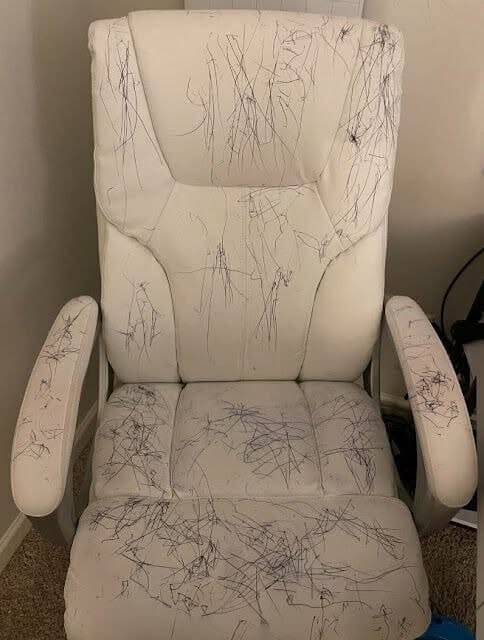

Working from home offers flexibility and convenience, but it also comes with unique challenges—especially for parents. When your home doubles as your office, it’s only natural that signs of everyday life occasionally show up in your workspace. One of the most common frustrations?
Pen marks on white
office furniture.
White desks, filing cabinets, shelves, and chairs create a clean, modern look. They brighten up a room and give your workspace a professional feel. However, white surfaces also show stains more easily than darker finishes. A quick scribble from a ballpoint pen, a stray marker line, or an accidental ink smudge can suddenly stand out against an otherwise spotless desk.
The good news is that you don’t need harsh chemicals, expensive specialty cleaners, or professional restoration services to remove pen marks. In most cases, common household supplies are more than enough to restore your furniture’s appearance safely and effectively.
This comprehensive guide will walk you through safe, practical, and family-friendly methods to remove pen marks from white office furniture. We’ll also cover preventative strategies to help protect your workspace in the future.
Let’s get started.
Understanding the Surface: Why White Furniture Needs Special Care
Before choosing a cleaning method, it’s important to understand the type of surface you’re working with. White office furniture can be made from various materials, including:
- Painted wood
- Laminate
- MDF (medium-density fiberboard) with coating
- Metal with enamel finish
- Plastic or acrylic
Each surface reacts differently to cleaning agents. While many white desks look similar, their finishes may vary in durability and sensitivity.
For example:
- Glossy laminate may scratch if scrubbed too aggressively.
- Painted wood can dull if exposed to strong solvents.
- Plastic surfaces may become discolored if harsh cleaners are used.
That’s why a gentle approach is always best.
First Rule: Always Test Before You Clean
No matter which cleaning method you choose, always test it first on a small, hidden area.
Good testing spots include:
- The underside of a desk
- The back corner of a cabinet
- The inside edge of a drawer
Apply a small amount of your cleaning solution and wait a few minutes. Check for discoloration, dulling, or surface damage before proceeding.
This simple step can prevent unnecessary damage.
Common Types of Ink Stains on Furniture
Different pens contain different types of ink. Knowing what caused the stain can help you choose the right method.
1. Ballpoint Pen Ink
Oil-based and generally easier to remove with alcohol-based solutions.
2. Gel Pen Ink
Thicker and more pigmented. May require mild abrasion.
3. Permanent Marker
Designed to adhere strongly. Requires careful solvent use.
4. Water-Based Marker
Often easier to clean with soap and water.
Fortunately, the methods below are designed to handle most of these safely.
Essential Supplies for Removing Pen Marks
You likely already have most of these items at home:
- Rubbing alcohol (isopropyl alcohol)
- Alcohol-based hand sanitizer
- Baking soda
- Mild dish soap
- Warm water
- Cotton balls or soft microfiber cloths
- A non-abasive sponge
- Melamine cleaning sponge (often called a cleaning eraser)
- Paper towels or clean towels
- Small bowl for mixing solutions
These everyday items are usually enough to remove pen marks effectively.
Method 1: Rubbing Alcohol or Hand Sanitizer
One of the most reliable solutions for removing pen ink is rubbing alcohol. Alcohol works by dissolving the ink pigments, making them easier to lift from the surface.
Step-by-Step Instructions
- Lightly dampen a cotton ball or soft cloth with rubbing alcohol.
- Gently dab (do not rub aggressively) the ink mark.
- Use small circular motions to lift the stain gradually.
- Replace the cotton as it absorbs ink to avoid spreading the stain.
- Once the mark disappears, wipe the area with a clean damp cloth.
- Dry the surface with a soft towel.
Why This Works
Alcohol breaks down many ink formulas without damaging most sealed surfaces. It evaporates quickly and leaves minimal residue.
Important Tip
Do not pour alcohol directly onto the furniture. Always apply it to the cloth first.
Method 2: Baking Soda Paste for Tougher Stains
If the ink has set into the surface or survived alcohol treatment, baking soda can help.
How to Make the Paste
- Mix one tablespoon of baking soda with a small amount of water.
- Stir until it forms a thick, spreadable paste.
Cleaning Steps
- Apply the paste gently over the ink mark.
- Use a soft cloth to rub lightly in circular motions.
- Let the paste sit for 5–10 minutes.
- Wipe away with a damp cloth.
- Dry thoroughly.
Why This Works
Baking soda acts as a mild abrasive. It helps lift stains without scratching most coated surfaces when used gently.
Method 3: Mild Dish Soap and Warm Water
For lighter ink marks or fresh stains, a gentle soap solution may be all you need.
Steps
- Mix a few drops of mild dish soap into a bowl of warm water.
- Dip a soft sponge into the solution and wring it out well.
- Gently wipe the stained area.
- Rinse with a clean damp cloth.
- Dry completely.
Why It Works
Dish soap is designed to break down oils and residues while remaining gentle on surfaces.
Method 4: Melamine Cleaning Sponge
Melamine foam cleaning sponges can be effective on stubborn marks.
How to Use
- Lightly dampen the sponge with water.
- Gently rub the pen mark using light pressure.
- Stop as soon as the stain lifts.
- Wipe clean and dry.
Caution
Melamine foam works like very fine sandpaper. Excessive scrubbing may dull glossy finishes. Always use light pressure.
Method 5: White Vinegar for Mild Stains
White vinegar is another gentle household option.
Instructions
- Dampen a soft cloth with white vinegar.
- Dab the stained area gently.
- Rinse with water.
- Dry thoroughly.
Vinegar can help break down certain inks, particularly water-based types.
Method 6: Toothpaste (Non-Gel, White Only)
Plain white toothpaste can assist in lifting light stains.
Steps
- Apply a small amount of toothpaste to the mark.
- Rub gently with a soft cloth.
- Wipe clean with a damp cloth.
- Dry completely.
Avoid colored or gel toothpaste, as it may stain.
What to Avoid
To protect your furniture, avoid:
- Bleach
- Acetone
- Nail polish remover
- Abrasive scrub pads
- Steel wool
- Strong commercial solvents
These can strip paint, dull finishes, or cause permanent discoloration.
Handling Deep or Old Ink Stains
If a stain has been present for weeks or months, you may need to repeat treatments. Ink can bond with surfaces over time.
Tips for stubborn stains:
- Alternate between alcohol and baking soda methods.
- Use gentle repetition instead of strong pressure.
- Allow cleaning solutions to sit briefly before wiping.
Patience often produces better results than force.
Preventing Future Pen Marks
Prevention saves time and effort. Here are practical strategies:
1. Use Desk Mats or Protective Pads
A desk pad creates a barrier between writing tools and your furniture.
2. Store Writing Tools Properly
Keep pens in organizers or drawers when not in use.
3. Choose Retractable or Capped Pens
These reduce accidental marks.
4. Clean Surfaces Weekly
Regular wiping prevents buildup and makes stains easier to remove.
5. Create a Kid-Friendly Art Zone
If children use your workspace, provide a designated drawing area nearby.
Creating a Family-Friendly Home Office
White furniture can coexist with family life. The key is balance.
Consider:
- Easy-to-clean finishes
- Washable chair covers
- Organized storage
- Routine maintenance
A well-maintained workspace boosts productivity and reduces stress.
Why Gentle Cleaning Is Better
Using mild, safe cleaning methods protects:
- The finish of your furniture
- Indoor air quality
- The safety of children and pets
- The longevity of your investment
There is rarely a need for aggressive chemical cleaners.
Frequently Asked Questions
Can pen marks permanently stain white furniture?
Most ink marks can be removed with the right method, especially if treated promptly.
Is rubbing alcohol safe for all finishes?
It is safe for most sealed surfaces but should always be tested first.
How soon should I clean a pen mark?
As soon as possible. Fresh stains are easier to remove.
Final Thoughts: Maintaining a Clean, Calm Workspace
White office furniture brings brightness and professionalism to your home office. While pen marks can be frustrating, they are usually manageable with simple household solutions.
By:
- Acting quickly
- Using gentle cleaning methods
- Testing products first
- Practicing preventative habits
You can maintain a workspace that feels clean, organized, and welcoming—even in a busy household.
Parenting and working from home require flexibility. A few ink marks along the way are normal. With the right approach, you can handle them confidently and keep your office furniture looking fresh for years to come.
A clean desk doesn’t require perfection—just consistent care and practical solutions.