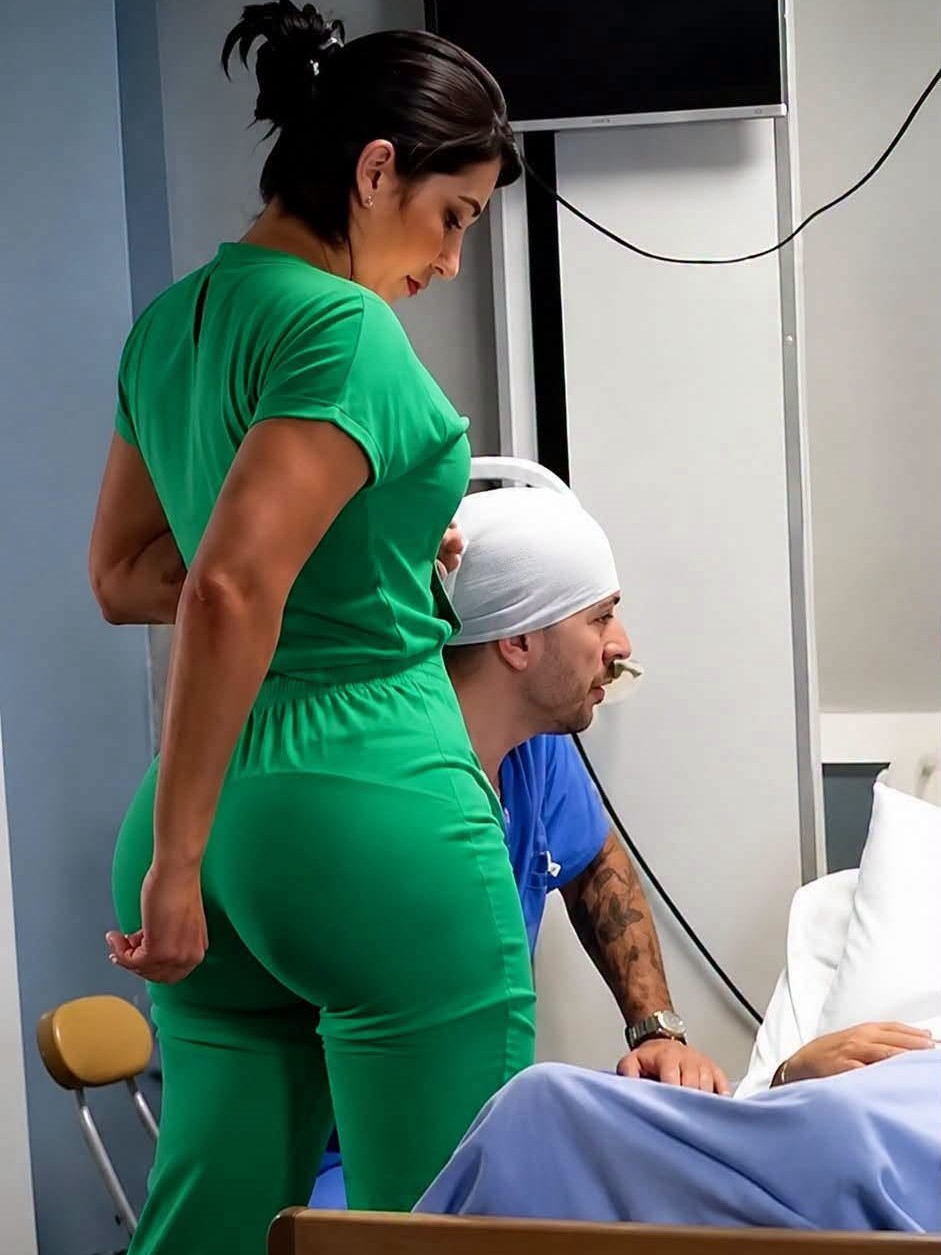
A tense hospital video recently spread across social media, showing what appeared to be a nurse rushing to save an unconscious patient in an intensive care setting.
The scene looked real—monitors, medical equipment, and urgent movements under pressure—leading many viewers to believe they were witnessing an actual emergency.
As the clip circulated, reactions poured in. Some praised the nurse’s apparent effort, while others questioned whether the actions matched real medical practice.
The uncertainty quickly grew, turning the video into a wider conversation about trust and how easily emotion can shape belief online.
Later, the full context emerged. The footage was not from a real hospital emergency but a staged advertisement for an energy-boosting product.
The “patient” was an actor, and the dramatic scenario had been created to symbolize exhaustion and recovery, not to document real care.
While the campaign succeeded in capturing attention, it also sparked criticism for blurring the line between fiction and reality by using a medical setting.
Healthcare scenes carry weight because they involve trust, safety, and life-or-death situations, making them especially sensitive in public perception.