
Introduction: The Silent Destroyers Behind Your Walls
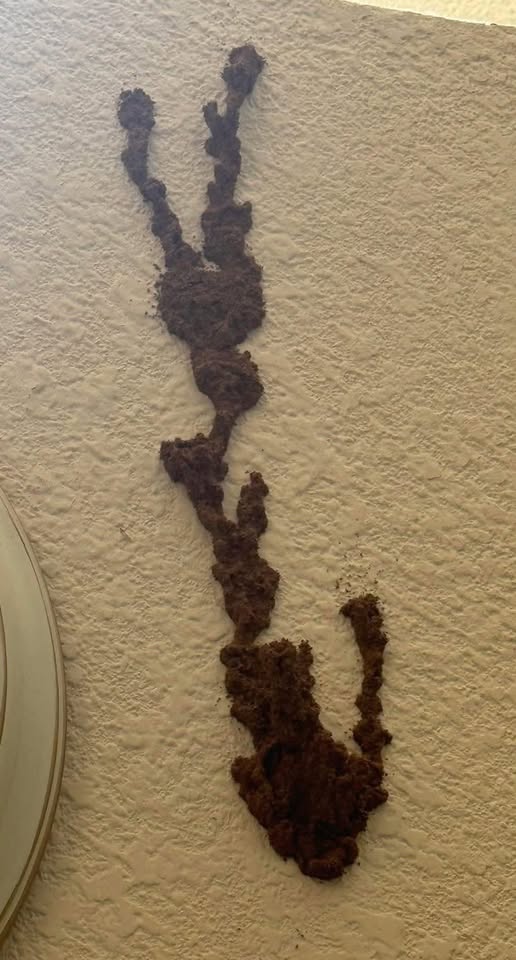
Imagine casually glancing at your wall and noticing a small patch of dirt near a clock, only to discover that it’s steadily growing into a large, unsettling structure. This scenario recently played out for a Reddit user who shared pictures of what seemed like a harmless streak of soil inside their home. However, what initially appeared to be a minor, almost innocuous issue quickly escalated into a much bigger problem: termite mud tubes.
While termites might not always make their presence immediately obvious, they are one of the most destructive pests homeowners can face. A tiny trail of dirt, like the one shared on Reddit, is actually a red flag signaling that subterranean termites have already infiltrated your home. If you’ve ever wondered what this curious dirt tunnel means, or if you’ve seen a similar growth in your own house, it’s time to understand the potential damage lurking behind your walls—and what you need to do about it.
What Are Termite Mud Tubes?
Termite mud tubes are long, pencil-thin tunnels made of a mixture of soil, wood particles, and termite saliva. These tubes serve as vital highways for subterranean termites, one of the most destructive species of termite. The purpose of the mud tubes is simple yet crucial: they protect the termites from the open air. Termites are highly sensitive to dry conditions, and exposure to the outside world can be fatal to them. By constructing these mud tunnels, they can travel safely from their underground nests to the wooden structures of your home, where they feed and cause damage without ever being exposed to the elements.
You’ll most commonly find these mud tubes on foundation walls, in crawl spaces, or even on interior walls. The sight of one inside your home is a clear sign that termites have already made their way into your living spaces. Although these pests typically start their destruction underground, the discovery of mud tubes inside the house means they’ve likely progressed deep into your walls and possibly the structural wood.
Why Is This a Major Concern?
The presence of termite mud tubes should never be taken lightly. Termites are quiet, stealthy invaders. Unlike ants or cockroaches, they don’t leave immediately obvious signs of their presence. They are known as “silent destroyers” because they work gradually over time, feeding on wood and weakening the structural integrity of your home. By the time you spot a mud tube, the damage may already be extensive. Here are a few key reasons why you should act fast if you find one:
- Structural Damage Has Likely Already Begun: Termites don’t just build mud tubes for fun—they use them to gain access to the wooden framework of your home. Once they’ve entered the structure, they can begin feeding on the wood, causing significant weakening and damage.
- A Large Colony May Be Involved: A single mud tube isn’t usually the work of just a few termites. In fact, a colony of subterranean termites can number in the tens of thousands. The more termites, the faster the damage can accumulate.
- Repair Costs Can Soar: The National Pest Management Association (NPMA) estimates that termites cause over $5 billion in damage each year in the U.S. alone. This damage is typically not covered by homeowners insurance, meaning you’ll have to foot the bill for costly repairs if left unchecked.
What to Do if You Spot Termite Mud Tubes Indoors
If you’ve discovered a termite mud tube in your home, the first thing you should do is not panic. It’s important to act quickly but thoughtfully. Here’s what you should do next:
1. Resist the Urge to Break the Tube
It may seem tempting to scrape off the mud tube right away, but this can actually make the situation worse. Breaking the tube could disturb the termites and force them to scatter into new areas or burrow deeper into your home’s structure. Additionally, pest control professionals rely on intact mud tubes to assess the extent of the infestation. Disturbing the tubes could interfere with the treatment process later on.
2. Confirm That It’s Termites
While termite mud tubes are a clear indicator of termite activity, it’s always best to have a professional pest control expert inspect your home to confirm that termites are indeed the culprits. A licensed pest control technician will be able to identify the specific type of termite, determine the severity of the infestation, and recommend the most effective course of action.
3. Schedule Immediate Treatment
Once termites have been confirmed, it’s crucial to schedule treatment immediately to prevent further damage. There are a variety of treatment options, and the best solution will depend on the specifics of the infestation:
- Bait Systems: These are placed around your home’s perimeter. The termites consume the bait and carry it back to the colony, effectively killing it off.
- Liquid Treatments: These involve applying termiticides to the soil around the foundation of your home to create a barrier that termites cannot cross.
- Foam or Dust Injections: In cases where termites are hiding deep within your walls, foam or dust treatments can be injected directly into the voids to eradicate them.
- Fumigation: For severe infestations that have spread throughout the house, a full-home fumigation may be necessary to eliminate the termites.
Preventing Future Infestations
After treatment, prevention is key to ensuring termites don’t return to wreak havoc on your home. Here are a few steps you can take to safeguard your property from future infestations:
- Reduce Moisture: Termites thrive in damp environments, so it’s essential to eliminate sources of moisture. Fix any leaks, maintain proper drainage around your foundation, and consider using dehumidifiers in areas that tend to stay damp, such as basements or crawl spaces.
- Keep Wood Away from the Foundation: Avoid stacking firewood, mulch, or other wood-based materials too close to your home’s foundation. These serve as a direct food source for termites and can attract them to your property.
- Seal Entry Points: Termites can enter through even the smallest cracks in your foundation, around pipes, or near windows and doors. Regularly inspect and seal any potential entry points to block their access.
- Schedule Annual Inspections: Even if you haven’t had a termite problem before, it’s wise to schedule a yearly inspection with a professional pest control service. An expert can detect early signs of termites and address the issue before it becomes a major problem.
A Wake-Up Call: Real-Life Reminder from Reddit
The Reddit post that sparked this conversation serves as a poignant reminder of how easily termite infestations can go unnoticed. What seemed like an innocuous streak near a clock turned out to be a major warning sign of termite activity. The homeowner, who initially joked about the possibility of bugs “jumping out,” soon realized that termites had already made their way into their home’s structure.
This incident highlights the importance of vigilance in identifying potential threats before they escalate. While some homeowners may overlook small, seemingly harmless signs, it’s crucial to be proactive about home maintenance. The longer you wait to address an infestation, the greater the damage will be—and the more expensive the repairs will cost.
Understanding the Full Scope of Termite Damage
The threat posed by termites is more than just a nuisance; it’s a serious issue that can affect the structural integrity of your home. As these pests silently feast on wood and other cellulose-based materials, they weaken the very foundation of your home. While the immediate sight of mud tubes may be concerning, the long-term impact can be far more devastating if not dealt with promptly.
Termites can cause damage in hidden spaces—behind walls, under floors, or in attics—that can go unnoticed for months or even years. By the time a major infestation becomes visible, the damage could already be irreversible in some areas, leading to expensive repairs that go beyond cosmetic fixes. For example, support beams, joists, and other crucial structural components may need to be replaced entirely, all because of termites working out of sight.
The key takeaway from this is that proactive care is crucial. Waiting until you can see visible signs of infestation often means you’ve missed the opportunity to stop the damage at an early stage. This is why it’s essential to act swiftly if you ever spot termite mud tubes or suspect any termite activity in your home.
By staying vigilant and taking preventative measures, you can protect your home from these destructive pests and avoid the hefty costs associated with termite damage. Regular inspections and a proactive approach can save you a great deal of trouble and ensure that your home remains a safe place for years to come.
Final Thoughts: Protect Your Home from Termite Damage
Termite mud tubes may seem like a minor issue at first glance, but they are often an indication of a much larger and potentially costly problem. If you spot one in your home, don’t delay—contact a licensed pest control expert immediately. By acting quickly, you can prevent further damage and protect your home from the silent destruction caused by termites.
Termites are often called “silent destroyers” for a reason. They work behind the scenes, causing damage that may go unnoticed until it’s too late. So, the next time you encounter a small trail of dirt on your wall, remember that it could be the first sign of a much bigger issue. Addressing the problem early on will save you from costly repairs down the road and ensure that your home remains safe and secure for years to come.