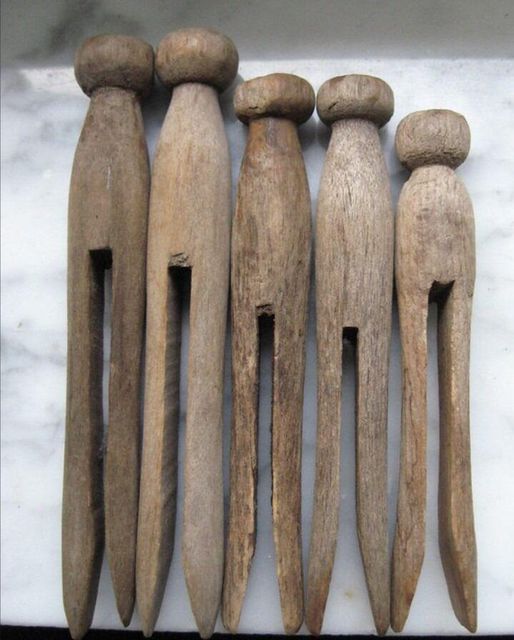

In a world filled with constant notifications, rapid innovation, and endless digital distractions, it’s easy to overlook the quiet beauty of simple, everyday objects. Yet sometimes, the smallest items carry the greatest emotional weight. Vintage dolly pegs—those modest wooden clothespins many people remember from childhood—are one such treasure. Though originally created for a purely practical purpose, they have grown into symbols of nostalgia, creativity, and intentional living.
These small wooden pegs once lined backyard clotheslines, securing freshly washed linens in the breeze. Over time, they also became beloved playthings, craft materials, and decorative accents. Today, as more people search for meaningful ways to slow down and reconnect with tangible experiences, dolly pegs are experiencing a gentle revival.
In this article, we’ll explore the origins of dolly pegs, their role in family life, their place in modern DIY culture, their benefits for children’s development, and their growing appeal in home décor. Along the way, we’ll uncover why these simple wooden tools still matter in an increasingly fast-paced world.
The Humble Beginnings of Dolly Pegs
Dolly pegs were originally designed as wooden clothespins. Long before electric dryers became standard household appliances, families relied on outdoor clotheslines to dry laundry. Dolly pegs were crafted from solid wood, typically shaped with two prongs at one end to grip fabric and a rounded or flat base at the other end for balance.
Their design was simple yet remarkably effective:
- Durable hardwood construction
- A split end to hold fabric securely
- Smooth shaping for easy handling
- A lightweight form that could withstand outdoor conditions
Unlike modern spring-loaded clothespins, traditional dolly pegs were carved from a single piece of wood. Their straightforward design meant fewer mechanical parts and greater longevity.
They were practical tools—nothing more, nothing less.
And yet, over time, they became something much more meaningful.
From Utility to Imagination
Children have always had a remarkable ability to transform ordinary objects into extraordinary companions. Dolly pegs, with their rounded “head” shape and upright stance, naturally invited imagination.
With a few simple supplies—paint, fabric scraps, yarn—children could turn these wooden pegs into tiny characters:
- Fairies with delicate wings
- Farmers in overalls
- Teachers holding miniature books
- Storybook heroes and heroines
These handmade figures often starred in elaborate stories played out in bedrooms, backyards, and kitchens. What began as a laundry tool became a canvas for storytelling.
In an era before battery-powered toys and interactive screens, dolly pegs encouraged creativity rooted in simplicity. The transformation required imagination, patience, and hands-on effort—qualities that remain valuable today.
Why Dolly Pegs Feel So Nostalgic
For many adults, seeing a vintage dolly peg sparks warm memories of family life. They may recall:
- Watching a grandparent hang laundry in the sun
- Helping sort clothespins into a wooden basket
- Sitting at a kitchen table painting peg dolls
Nostalgia often centers around sensory experiences. The scent of clean laundry. The feel of smooth wood between fingers. The gentle click of pegs snapping onto a line.
These sensory memories create emotional resonance. Dolly pegs become more than objects—they become symbols of connection and comfort.
In today’s fast-moving environment, reconnecting with tactile memories can feel grounding. Vintage items remind us that not everything needs to be high-tech to be meaningful.
Dolly Pegs in Modern DIY Culture
Although they originated as practical household tools, dolly pegs have found new life in contemporary crafting communities.
DIY enthusiasts appreciate them because they are:
- Affordable
- Easy to customize
- Beginner-friendly
- Adaptable for all ages
Here are some popular ways people repurpose dolly pegs today:
1. Handmade Ornaments
During the holidays, dolly pegs are often transformed into festive decorations. A bit of paint and fabric can turn them into:
- Winter characters
- Angels
- Seasonal figures
These handmade ornaments add a personal touch to celebrations, offering something unique compared to mass-produced décor.
2. Decorative Magnets and Clips
By attaching small magnets or decorative accents, crafters create charming refrigerator clips for notes and photos. Each peg can be personalized with patterns, colors, or miniature accessories.
3. Miniature Figurine Sets
Some people craft themed peg collections representing family members, professions, or hobbies. These tiny figures can serve as desk décor, thoughtful gifts, or playful additions to shelves.
The appeal lies in the creative process itself. Working with dolly pegs encourages mindfulness and hands-on engagement.
Encouraging Creativity in Children
Dolly pegs remain an excellent resource for children’s crafts and imaginative play.
Developing Fine Motor Skills
Painting small surfaces, gluing tiny fabric pieces, and drawing facial expressions all require careful hand control. These activities strengthen fine motor skills that support writing and other tasks.
Inspiring Storytelling
Once a child creates a peg character, the storytelling begins. The doll may become:
- A teacher leading a classroom
- A shopkeeper running a tiny store
- An explorer traveling through imaginary lands
Role-play supports cognitive development, social understanding, and language growth.
Reducing Screen Dependence
In a time when digital entertainment dominates much of children’s leisure time, hands-on crafts offer a refreshing alternative. Dolly pegs encourage tactile exploration and sustained attention without requiring electronics.
The Emotional Comfort of Handmade Objects
There is something deeply reassuring about handmade items. Unlike factory-produced goods, handmade objects carry subtle imperfections that make them unique.
Each dolly peg craft project reflects:
- Personal creativity
- Time invested
- Individual expression
These qualities foster emotional attachment. When someone crafts peg dolls with a child or gives them as a gift, they are sharing more than an object—they are sharing effort and care.
In a culture that often prioritizes convenience, handmade projects restore a sense of intention.
Decorating with Vintage Charm
Dolly pegs also lend themselves beautifully to home décor. Their natural wood finish complements a wide range of interior styles, from rustic farmhouse to minimalist Scandinavian design.
Here are a few décor ideas:
1. Wall Displays
Attach painted dolly pegs to a piece of reclaimed wood or hang them from twine for a charming wall feature.
2. Seasonal Garlands
Create themed peg characters for different seasons—flowers in spring, beach figures in summer, cozy sweaters in autumn.
3. Table Centerpieces
A cluster of handmade peg dolls can serve as a whimsical centerpiece for gatherings or celebrations.
Because they are small and subtle, dolly pegs add personality without overwhelming a space.
Sustainability and Simplicity
In recent years, there has been renewed interest in sustainable living and reducing waste. Dolly pegs align well with this philosophy.
They are:
- Made from natural materials
- Durable and reusable
- Repairable rather than disposable
Unlike many plastic household items, wooden pegs can last for decades with proper care.
Choosing vintage or wooden alternatives over disposable plastic products contributes to more mindful consumption.
A Reflection of Slower Living
The resurgence of interest in vintage objects like dolly pegs reflects a broader cultural shift toward slower living.
People are increasingly drawn to:
- Crafting
- Gardening
- Baking from scratch
- Restoring antique items
These activities share a common thread: intentional engagement.
Dolly pegs represent that same ethos. They remind us that everyday tasks—like hanging laundry—once carried a rhythm and routine that connected families to their environment.
Passing Down Traditions
For many families, crafting peg dolls becomes a shared tradition. Parents and grandparents teach children how to paint and decorate them, passing down simple techniques and creative ideas.
This intergenerational exchange strengthens bonds and preserves memories.
The act of sitting together to create something small yet meaningful can be more valuable than the finished product itself.
Why Vintage Dolly Pegs Still Matter
At first glance, a wooden peg may seem insignificant. But its story reveals something deeper.
Dolly pegs symbolize:
- Resourcefulness
- Creativity
- Family connection
- Sustainability
- Simplicity
They remind us that meaningful experiences do not require complexity. Sometimes, the simplest materials inspire the richest memories.
In a modern world filled with constant upgrades and fleeting trends, vintage dolly pegs stand as quiet reminders of enduring charm.
Bringing Dolly Pegs Into Modern Life
If you feel inspired to explore their charm, consider:
- Visiting antique shops or craft stores
- Starting a small peg craft project
- Teaching children how to personalize them
- Using them as thoughtful, handmade gifts
You don’t need advanced crafting skills. The beauty of dolly pegs lies in their accessibility.
Conclusion: Small Objects, Lasting Impact
Vintage dolly pegs are more than old-fashioned clothespins. They are vessels of memory, creativity, and tradition.
They connect us to a time when life moved at a gentler pace and everyday tasks were shared experiences. They encourage imagination without requiring technology. They demonstrate how small objects can carry big emotional meaning.
In rediscovering dolly pegs, we rediscover something about ourselves—a desire for connection, simplicity, and hands-on creativity.
Sometimes, the most powerful reminders of what truly matters come in the smallest wooden forms.