
In the rush of modern life, it’s easy to overlook subtle changes in our bodies. A long day at work, hours of standing, traveling, or even warm weather can leave us feeling tired. But sometimes, what seems like simple fatigue may be a sign that your body is asking for attention. One common example is swelling in the feet.
Many people experience swollen feet at some point. For some, it happens occasionally after a busy day. For others, it becomes a recurring issue that raises questions. While swelling can often be harmless and temporary, it can also reflect underlying health factors that deserve thoughtful consideration.
Understanding why feet swell, when it is normal, and when it may require medical guidance can help you make informed decisions about your health and wellbeing.
What Does “Swollen Feet” Actually Mean?
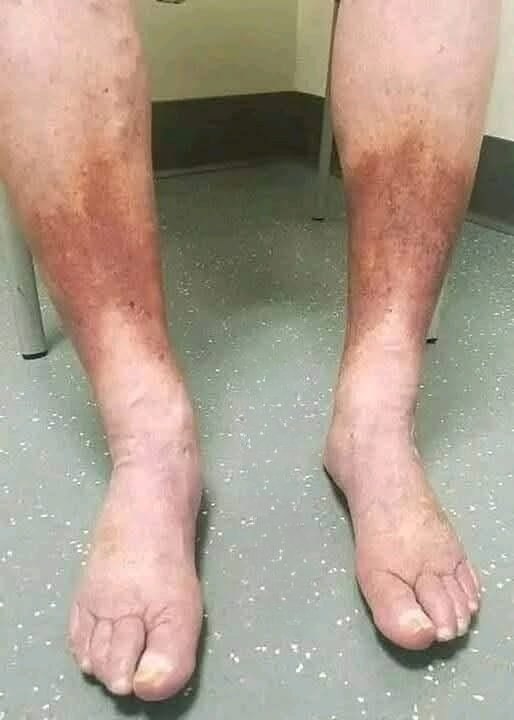
Swelling in the feet is medically referred to as edema. It occurs when excess fluid builds up in the tissues. The feet and ankles are especially prone to swelling because they are located at the lowest point of the body. Gravity naturally pulls fluid downward, especially after long periods of standing or sitting.
Swelling may affect one foot or both. It can appear gradually or suddenly. Sometimes it is mild and barely noticeable; other times it can feel tight, heavy, or uncomfortable.
The key is understanding context. Swelling alone does not automatically signal a serious problem. However, persistent or painful swelling may indicate that something deeper is happening inside the body.
Common Everyday Causes of Swollen Feet
Before assuming the worst, it’s helpful to recognize that many everyday factors can lead to temporary swelling.
1. Long Periods of Standing or Sitting
When you stand or sit in one position for extended periods, circulation can slow. Blood and fluids may collect in the lower extremities, causing the feet and ankles to puff up. This is especially common during long flights or desk work.
2. Warm Weather
Heat can cause blood vessels to expand. When vessels widen, fluid can leak into surrounding tissues more easily. This is why some people notice swelling more often during summer months.
3. High Sodium Intake
Salt plays an important role in fluid balance. Consuming large amounts of sodium can cause the body to retain water. That retained fluid sometimes shows up as swelling in the feet, hands, or face.
4. Minor Injuries
A sprained ankle, strained muscle, or even an unnoticed bump can trigger localized inflammation. In these cases, swelling is part of the body’s natural healing response.
5. Hormonal Changes
Hormonal fluctuations—such as those experienced during pregnancy or certain phases of the menstrual cycle—can lead to temporary fluid retention.
In these everyday scenarios, swelling often resolves with rest, hydration, elevation of the feet, or mild movement.
Circulation and Swelling: A Deeper Look
Healthy circulation allows blood to move efficiently through arteries and veins. When circulation slows or becomes compromised, fluid may accumulate in the tissues.
One common condition related to circulation is chronic venous insufficiency. This occurs when the veins in the legs struggle to return blood to the heart effectively. Over time, fluid can pool in the lower limbs.
Another circulation-related concern is deep vein thrombosis (DVT). DVT involves a blood clot in a deep vein, usually in the leg. Swelling from DVT often affects one leg and may be accompanied by warmth or discomfort. Because DVT can lead to serious complications, sudden swelling in one leg should always be evaluated by a healthcare professional promptly.
It’s important not to self-diagnose. Swelling that appears suddenly, especially if combined with other symptoms, should be taken seriously.
Fluid Retention and Internal Health
Sometimes swelling reflects how the body manages fluids overall.
The kidneys play a crucial role in filtering waste and balancing fluids. If kidney function is impaired, fluid retention can increase, sometimes leading to swelling in the legs and feet.
The heart also plays a central role. In conditions such as heart failure, the heart may not pump blood efficiently enough to meet the body’s needs. When this happens, fluid can accumulate in the lower extremities.
Similarly, liver conditions can affect fluid balance by altering protein production and circulation within the abdomen and lower limbs.
Again, swelling does not automatically mean these conditions are present. However, persistent swelling—especially when paired with fatigue, shortness of breath, or abdominal swelling—warrants professional evaluation.
Inflammation as a Possible Factor
Inflammation is the body’s response to injury or irritation. Sometimes, swollen feet are linked to inflammatory conditions such as arthritis.
For example, rheumatoid arthritis can cause joint swelling, stiffness, and discomfort. Gout, another inflammatory condition, can lead to sudden swelling and tenderness in the foot, often around the big toe.
Inflammatory swelling may be accompanied by redness or warmth. Identifying patterns—such as swelling after specific foods or during certain times of day—can help healthcare providers make accurate assessments.
When Swelling Should Not Be Ignored
While mild swelling is common, certain warning signs suggest it’s time to seek medical advice:
- Swelling that appears suddenly and severely
- Swelling in only one leg without clear injury
- Swelling accompanied by chest discomfort or breathing difficulty
- Redness, warmth, or significant pain
- Swelling that does not improve with rest
These signs do not necessarily indicate a serious condition, but they should be evaluated promptly.
Listening to your body is not about panic—it’s about awareness.
Lifestyle Habits That Support Healthy Circulation
If your swelling is mild and occasional, lifestyle adjustments may help reduce discomfort.
Stay Active
Movement encourages circulation. Simple activities like walking, stretching, or ankle rotations can stimulate blood flow.
Elevate Your Feet
Raising your feet above heart level for 15–20 minutes can help fluids drain back toward the upper body.
Stay Hydrated
It may seem counterintuitive, but proper hydration helps the body regulate fluid balance more efficiently.
Moderate Sodium Intake
Reducing excess salt in processed foods can decrease water retention.
Wear Supportive Footwear
Shoes that fit properly and provide support can prevent strain and reduce inflammation.
Consider Compression Socks
Under medical guidance, compression socks may help improve circulation in some individuals.
The Emotional Side of Physical Symptoms
Physical symptoms often carry emotional weight. Swelling can create anxiety, especially when online information offers alarming possibilities.
It’s important to remember that many symptoms have multiple explanations. The goal is not to assume the worst, but to gather accurate information and consult qualified professionals when needed.
Health literacy—understanding what symptoms might mean—empowers individuals to take thoughtful action rather than reacting out of fear.
Monitoring Patterns and Changes
Keeping track of when swelling occurs can be helpful.
Ask yourself:
- Does it happen after long days?
- Does it improve overnight?
- Is it linked to specific foods?
- Does it appear alongside other symptoms?
Documenting these patterns can provide valuable insights for healthcare providers.
Swelling in Older Adults
As people age, circulation may naturally become less efficient. Muscle tone decreases, and veins may lose elasticity. This can make swelling more common in older adults.
However, age-related changes should not automatically be dismissed as “normal.” Persistent swelling still deserves attention.
Regular health checkups can help detect potential concerns early.
Swelling During Pregnancy
Pregnancy often brings fluid retention, particularly in the third trimester. Hormonal changes and increased blood volume contribute to swelling in the feet and ankles.
In most cases, this is expected. However, sudden swelling combined with headaches or visual changes should be evaluated immediately, as it may indicate a more serious condition.
Pregnant individuals should always consult their healthcare provider about new or worsening symptoms.
Myths About Swollen Feet
There are many misconceptions surrounding swelling.
Myth 1: Swelling always means heart problems.
While heart conditions can cause swelling, many cases are unrelated.
Myth 2: Drinking less water reduces swelling.
In reality, dehydration can cause the body to retain more fluid.
Myth 3: Swelling is purely cosmetic.
Even mild swelling can indicate underlying imbalances that deserve attention.
Balanced information helps separate fact from fear.
The Importance of Professional Guidance
Online articles provide general information, but they cannot replace personalized medical advice. Every individual’s health history is unique.
A healthcare professional may perform:
- Physical examination
- Blood tests
- Imaging studies
- Evaluation of medications
Certain medications, including some blood pressure drugs or anti-inflammatory medications, can contribute to swelling as a side effect.
Adjustments may be possible under medical supervision.
Prevention Through Everyday Choices
While not all causes of swelling are preventable, many lifestyle strategies support overall vascular and metabolic health:
- Maintain a balanced diet rich in fruits and vegetables
- Engage in regular physical activity
- Avoid prolonged immobility
- Maintain a healthy body weight
- Schedule routine medical checkups
Prevention is rarely about one dramatic change. It’s about consistent habits.
A Broader View of Body Signals
The human body constantly communicates. Swollen feet are not just a surface issue—they are part of a complex system of circulation, fluid regulation, inflammation, and organ function.
When we shift our mindset from fear to curiosity, symptoms become messages rather than threats.
Instead of asking, “What’s wrong with me?”
We can ask, “What is my body trying to tell me?”
That shift encourages proactive care.
When to Seek Immediate Care
While most swelling is not urgent, emergency care is necessary if swelling is accompanied by:
- Sudden breathing difficulty
- Chest discomfort
- Severe one-sided leg swelling with pain
- Fainting
These symptoms require immediate medical evaluation.
Prompt action can make a significant difference.
Final Thoughts: Awareness Without Alarm
Swollen feet are common, and in many cases, they are temporary and harmless. However, they can also reflect changes in circulation, fluid balance, inflammation, or internal organ function.
The key is balance.
Avoid ignoring persistent symptoms—but also avoid unnecessary panic. Observe patterns, support your body with healthy habits, and seek professional guidance when needed.
Your body is remarkably resilient. Paying attention to its signals is not a sign of weakness—it is a sign of wisdom.
Health is not built on fear-driven headlines or dramatic claims. It is built on steady awareness, informed choices, and open communication with trusted healthcare providers.
If you notice swelling in your feet, treat it as an invitation to check in with yourself. Sometimes the solution is simple: rest, movement, hydration. Other times, it may lead to a deeper understanding of your health.
Either way, awareness is the first step toward wellbeing.