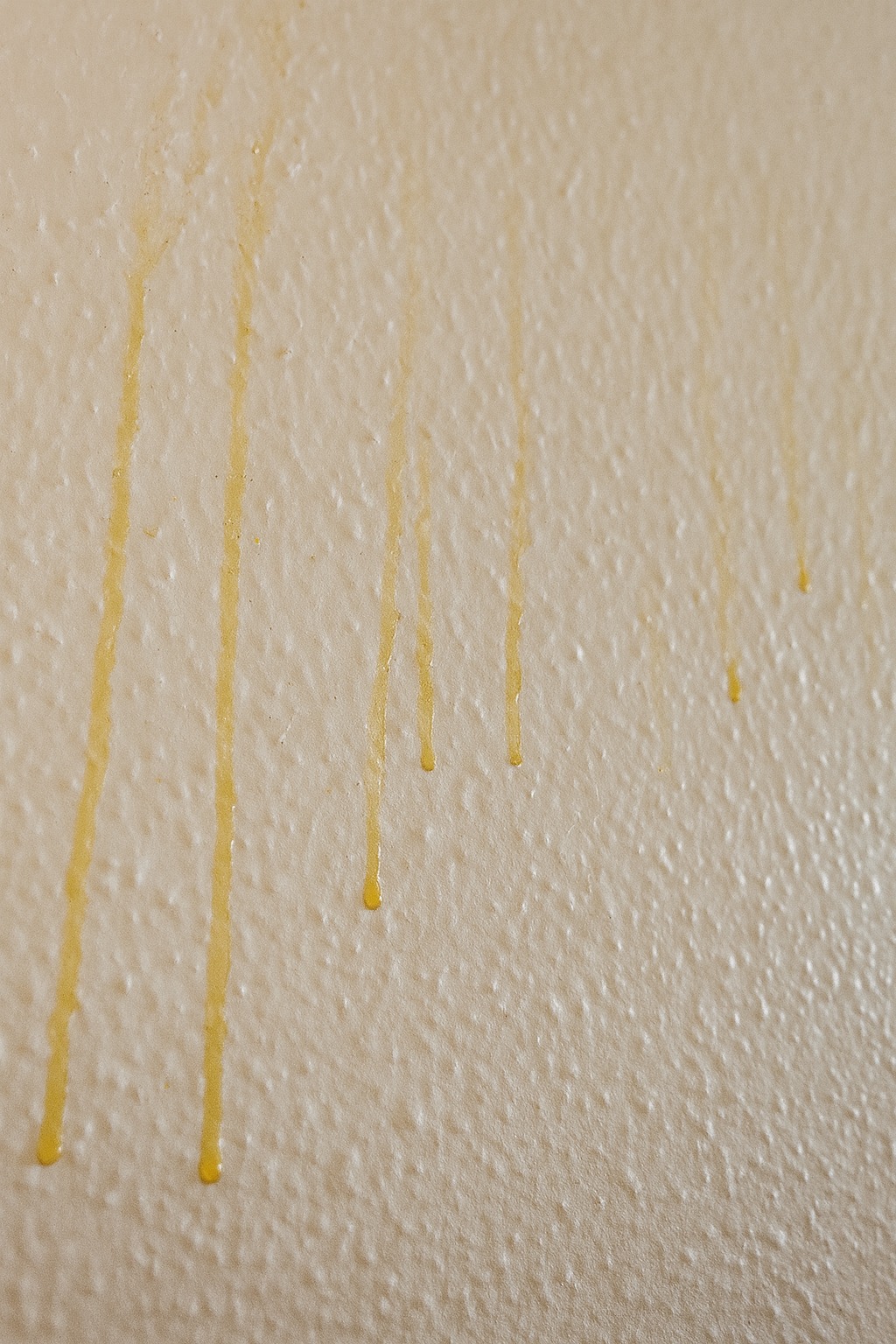

If you’ve ever walked into your bathroom to see yellow stuff dripping down the walls, your first instinct might be panic. After all, this could be a sign of mold, and mold in your bathroom is no joke. Having personally dealt with mold in my grandparents’ house (a situation that involved an unforgettable pinkish slime incident), I completely understand the concern. Mold thrives in damp environments, and bathrooms, with their constant exposure to moisture, provide an ideal breeding ground.
But not all yellow stains are mold — so before you panic, let’s explore what this yellow stuff might be and how to address it effectively.
What Is Mold, and Why Is It Dangerous?
Before we dive into identifying the yellow substance, let’s quickly understand mold. Mold is a type of fungus that grows wherever there is moisture and organic matter, like food, wood, or even the drywall in your bathroom. It spreads through microscopic spores that float through the air, settling on damp surfaces to start growing.
While mold is certainly unsightly, it’s more than just a nuisance. Some types of mold can cause serious health issues, particularly for those with allergies or respiratory problems. Mold exposure can lead to coughing, sneezing, skin irritation, and in extreme cases, chronic health conditions. It’s especially concerning in high-moisture areas like bathrooms where mold can go unnoticed and multiply quickly.
Why Does Mold Happen in the Bathroom?
Mold’s favorite habitat is a warm, damp environment, which describes the conditions in most bathrooms perfectly. After you take a shower or bath, steam fills the room, and condensation forms on the walls and ceilings. If the moisture isn’t properly vented out, it lingers, creating a perfect spot for mold to settle in. The longer the humidity stays in the bathroom without drying out, the better the conditions for mold to flourish.
It’s common for mold to start in corners or around plumbing fixtures, but it can quickly spread to other areas. Over time, it can begin to drip down walls, leaving behind unsightly yellow, brown, or even green stains.
What Could the Yellow Stuff Be?
Now, let’s address the yellow substance specifically. It could be several things, and not all of them are mold. Here’s a breakdown of the possible culprits:
1. Nicotine Residue
If you’ve moved into an older home or a house where previous occupants were smokers, yellow stains could be nicotine residue. Nicotine from cigarette smoke can seep into walls, especially in humid conditions, causing yellowish discoloration to form over time. These stains are not harmful in themselves, but they’re definitely unsightly and difficult to clean.
2. Soap Scum and Hard Water Deposits
Another common cause of yellowish stains in bathrooms is soap scum and mineral deposits from hard water. When soap or shampoo mixes with the minerals in your water, it can leave behind a sticky, yellowish film on your bathroom walls. Over time, this can drip down and build up, creating unsightly stains. If you have hard water, you’re more likely to see this problem, especially in places where water tends to linger, like near faucets or showerheads.
3. Mold and Mildew
Yes, mold can sometimes appear yellow, particularly in its early stages. Mold that grows in the bathroom often starts off as a yellowish discoloration before it progresses to darker shades, like green, black, or brown. If the yellow substance is more spread out and appears in areas with high moisture, it could very well be mold or mildew. If it has a musty smell, it’s a clear sign that you’re dealing with fungal growth.
4. Oxidized Paint
Sometimes, yellowing on bathroom walls could be a result of oxidized paint. Bathrooms, being so damp, can cause paint to degrade over time. When this happens, the paint can react with the moisture in the air and start to oxidize, leaving behind yellowish streaks or drips. This is particularly common with older or poorly maintained bathrooms.
How to Remove Yellow Stains from Bathroom Walls
Once you’ve identified what the yellow stuff might be, you can start tackling the problem. Each cause requires a different method of removal:
1. Nicotine Residue
To remove nicotine stains, mix a solution of vinegar and water (about 1 part vinegar to 4 parts water). Apply this mixture to the yellow stains and scrub gently with a sponge. For tougher stains, you can add some baking soda to the mixture to create a slightly abrasive scrub. If the stains are particularly stubborn, you may need to repeat the process a few times.
2. Soap Scum and Hard Water Deposits
For soap scum and mineral deposits, try using a descaling agent or a solution of vinegar and water. Vinegar is great at dissolving mineral buildup, and it’s also safe to use on most bathroom surfaces. Spray the solution onto the affected areas and let it sit for a few minutes before scrubbing it away with a non-abrasive sponge. For regular maintenance, you might need to repeat this every week or so, depending on how hard your water is.
3. Mold and Mildew
If you’ve discovered mold or mildew, it’s essential to act quickly. Mold can spread quickly, so addressing it immediately is key. For mold on non-porous surfaces (like tiles), a solution of bleach and water (1 cup of bleach to 1 gallon of water) is effective at killing the mold. If you prefer a more natural option, vinegar or hydrogen peroxide can also do the job. Be sure to wear gloves and a mask to protect yourself from mold spores, and always ensure the bathroom is well-ventilated when cleaning.
4. Oxidized Paint
If the yellow stains are due to oxidized paint, you might need to repaint the affected area. Start by cleaning the wall thoroughly, then use a stain-blocking primer before repainting. The primer will help seal in the yellow discoloration and prevent it from bleeding through the new paint. If your paint continues to oxidize, it could be a sign of excess moisture, and you may need to address ventilation issues in your bathroom.
How to Prevent Future Issues
Preventing the yellow stains from reappearing largely comes down to controlling moisture and maintaining cleanliness in your bathroom. Here are some tips:
- Ventilation is Key: Use an exhaust fan during and after showers to help moisture escape. If you don’t have one, open a window or leave the door open to allow air circulation.
- Regular Cleaning: Clean your bathroom surfaces regularly to prevent the buildup of soap scum, hard water deposits, and mold.
- Dehumidifier: In particularly damp climates, consider using a dehumidifier to reduce moisture in the air and keep mold at bay.
- Fix Leaks: Ensure that there are no leaks around your plumbing fixtures. Leaky faucets or pipes can contribute to excess moisture, creating a perfect environment for mold and mildew.
When to Call in the Professionals
While most bathroom issues can be handled with a bit of elbow grease and the right cleaning products, there are cases when it’s best to call in a professional, especially when it comes to persistent mold or significant water damage.
Severe Mold Infestations
If you’ve been battling mold for weeks and the yellow stains persist despite your best efforts, it may be time to call in a mold remediation specialist. Mold can grow behind walls, under flooring, and in hard-to-reach areas, making it difficult to fully address with DIY methods. Mold specialists can perform thorough inspections, identify hidden mold growth, and safely remove it without putting your health at risk.
Moreover, mold professionals have access to specialized equipment like air scrubbers and HEPA vacuums that help eliminate spores from the environment, preventing them from spreading further. If you notice a musty smell that doesn’t go away, or if the mold growth is widespread, it’s better to let the experts handle it.
Water Damage and Structural Concerns
If the yellow stains are accompanied by peeling paint, warped drywall, or persistent dampness, the issue might be more than just surface-level mold. Long-term moisture exposure can lead to serious structural problems in your bathroom. Water-damaged walls, ceilings, or floors can compromise the integrity of your home and potentially lead to dangerous conditions like rotting wood or weakened foundations.
In cases of severe water damage, it’s crucial to have a professional contractor or plumber inspect the situation. They’ll be able to determine if there are hidden leaks, improper drainage, or other issues that could be causing excessive moisture buildup. Addressing these issues early can save you a lot of money and prevent extensive repairs down the line.
Other Bathroom Maintenance Tips to Keep Things Fresh
In addition to tackling yellow stains and mold, there are several other strategies you can implement to ensure your bathroom remains fresh, clean, and safe:
1. Keep Humidity Under Control
Even if you’re vigilant about cleaning and ventilation, bathrooms can still trap moisture. To combat this, consider installing a dehumidifier in your bathroom, especially if it’s small or lacks a window. Dehumidifiers help reduce the humidity levels and can prevent mold and mildew from taking hold.
Alternatively, if a dehumidifier isn’t feasible, a moisture-absorbing product like silica gel or activated charcoal can be placed in corners or near problem areas to help draw moisture out of the air.
2. Use Mold-Resistant Products
Consider upgrading your bathroom materials to be mold-resistant. For example, mold-resistant paint contains additives that prevent mold from growing on the surface. Some shower curtains, tiles, and bathroom mats are also treated with mold-resistant coatings, which can help minimize the chances of stains forming. These products may cost a little more upfront, but they can be a worthwhile investment in the long term.
3. Install a Quality Vent Fan
If your bathroom doesn’t already have one, installing a high-quality exhaust fan is one of the best ways to prevent excess moisture buildup. The fan should be rated for the size of your bathroom to ensure that it works efficiently. Aim to run the fan for at least 20 minutes after every shower to clear the air and reduce moisture in the room.
4. Seal Grout and Caulking
Grout and caulking are common areas for mold to form, as moisture can seep into the porous material. Regularly inspect the grout and caulking in your bathroom and reseal them when needed. Sealing these surfaces prevents water from penetrating the material and reduces the risk of mold growth.
5. Avoid Storing Wet Items
Finally, try to avoid leaving wet towels, sponges, or clothes lying around in your bathroom. These items can contribute to the humidity levels and create conditions conducive to mold growth. Hang towels up to dry as soon as possible and store sponges and toiletries in a dry, ventilated area.
When Is It Time to Replace Surfaces?
If you’ve been tackling yellow stains, mold, or water damage in your bathroom for a while without much success, it might be time to consider replacing certain surfaces. Mold can deeply infiltrate porous materials like drywall and wood, and sometimes cleaning alone won’t completely eradicate the problem.
For instance, if the mold has spread behind the walls or under the flooring, simply cleaning the surface might not be enough. In this case, you may need to remove affected drywall or tiles and replace them. Similarly, if the yellow stains are a result of oxidized paint, you may need to strip the old paint, treat the underlying surface, and repaint to prevent further issues.
Replacing damaged tiles or grout might also be necessary if they’ve been compromised by persistent moisture exposure. If your bathroom has a long history of moisture problems, these materials might have weakened over time and could eventually need replacing.
Conclusion: Stay Ahead of Bathroom Issues
Dealing with yellow stains dripping down your bathroom walls can be frustrating, but with the right knowledge and tools, you can address the issue quickly and effectively. Whether the cause is mold, nicotine stains, soap scum, or oxidized paint, each problem has a solution. The key is to stay proactive about bathroom maintenance — keep your bathroom well-ventilated, clean regularly, and monitor for signs of moisture buildup.
If the problem persists or if you’re dealing with significant water damage, don’t hesitate to call in professionals. They can help you pinpoint the root cause and ensure your bathroom stays in top condition.
By staying on top of bathroom maintenance and addressing issues early on, you can prevent larger, more costly problems in the future. Keeping your bathroom healthy and dry ensures a clean, safe, and inviting space for years to come!