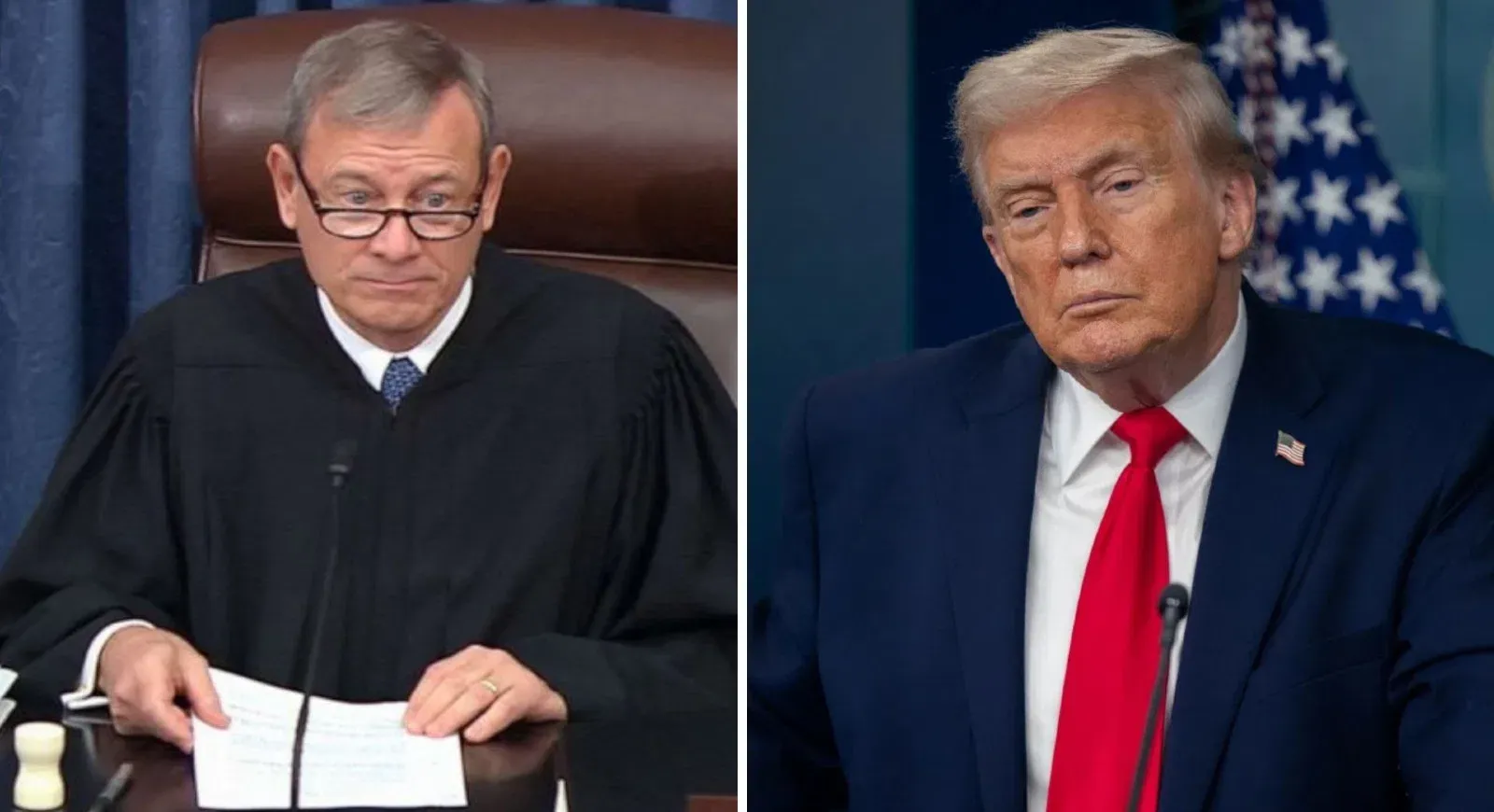
WASHINGTON, D.C. — In a historic display of judicial unity that has stunned the legal establishment and delighted the Trump-Bondi administration, the Supreme Court of the United States ruled unanimously on Wednesday in favor of the federal government. The decision in Urias-Orellana v. Bondi, authored by Justice Ketanji Brown Jackson, marks a definitive end to a years-long period of judicial overreach by radical appellate courts and cements a “deferential standard of review” that will make it nearly impossible for activist lawyers to overturn Board of Immigration Appeals (BIA) removal orders.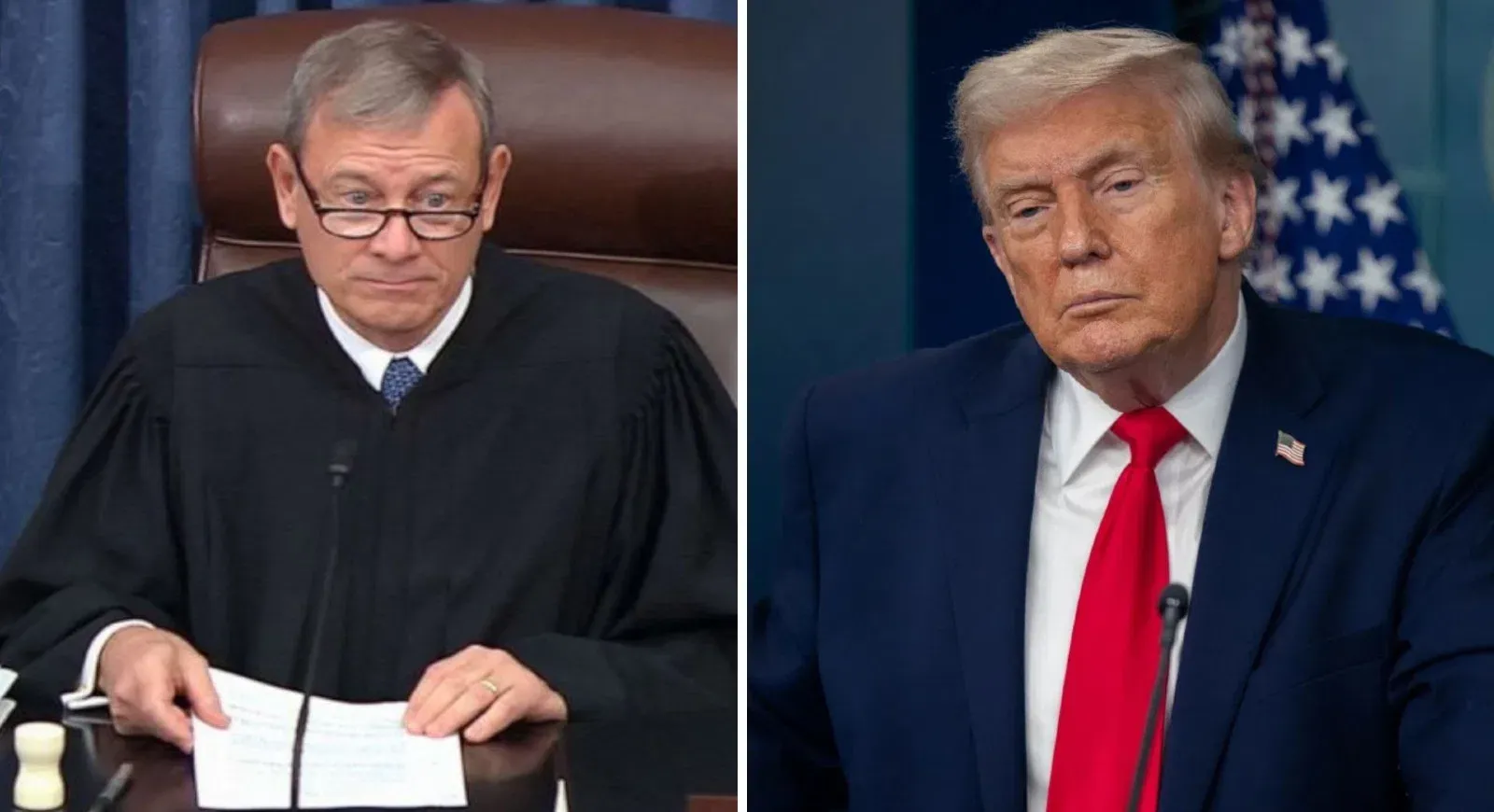
The 9-0 ruling is a massive validation for Attorney General Pam Bondi, who has led a “Law and Order” crusade through the federal court system since taking office. By establishing the “substantial-evidence standard” as the absolute rule for asylum review, the Supreme Court has provided the Trump administration with the legal hammer it needs to expedite deportations and secure the nation’s borders from the exploitation of asylum loopholes.
I. THE CASE: A FINAL BLOW TO ASYLUM EXPLOITATION
The case of Douglas Humberto Urias-Orellana and his family served as the ultimate test for the administration’s harder-line stance on asylum claims. The family, who arrived in 2021 fleeing alleged threats from a “sicario” (hitman) in El Salvador, had their asylum requests denied by an immigration judge who noted that the family had successfully avoided danger by simply relocating within their own country.
1. The Factual Failure
While the family’s legal team argued that they faced a “well-founded fear of persecution,” the Board of Immigration Appeals (BIA) upheld the initial judge’s finding in 2023. The family appealed to the federal courts of appeals, sparking a circuit split over exactly how much “deference” a court must show to the government’s findings.
2. The Trump-Bondi Defense
The Bondi DOJ argued that the Immigration and Nationality Act (INA) was designed to prevent courts from “second-guessing” the factual findings of immigration experts. By the time the case reached the Supreme Court in 2026, the administration had made it clear: if an immigration judge and the BIA agree that a claimant doesn’t face “persecution,” federal appeals courts have no business overturning that decision based on their own policy preferences.
II. THE JACKSON OPINION: 9-0 FOR DEFERENTIAL REVIEW
In a move that caught many “Deep State” media observers by surprise, it was Justice Ketanji Brown Jackson who penned the unanimous opinion. Jackson’s ruling was clinical and grounded in a strict interpretation of the law, moving the court’s center of gravity toward the administration’s position.
1. The Substantial-Evidence Standard
Justice Jackson clarified that federal courts of appeals must apply the substantial-evidence standard. This means that a BIA decision regarding persecution is “conclusive unless any reasonable adjudicator would be compelled to conclude to the contrary.”
“The law requires courts to uphold those findings unless the evidence clearly compels a different conclusion,” Jackson wrote. This ruling effectively shuts the door on “judicial activism,” where appellate judges would previously re-examine evidence to find ways to keep asylum seekers in the country against the agency’s findings.
2. Strengthening Elias-Zacarias
The 2026 ruling also serves to “strengthen and codify” the 1992 precedent of INS v. Elias-Zacarias. Jackson noted that despite subsequent amendments to the INA, the standard remains the same: an asylum applicant must show that the evidence was “so compelling that no reasonable factfinder could fail to find the requisite fear of persecution.” By reinforcing this strict standard, the court has ensured that the “persecution” bar remains high, protecting the asylum system for those truly in need while filtering out those seeking to bypass legal immigration channels.
III. THE BONDI MANDATE: LEGAL CLARITY AS A BORDER DEFENSE
For Attorney General Pam Bondi, the Urias-Orellana victory is the latest in a string of 2026 triumphs. The “Bondi Mandate” is built on the principle that the law must be a shield for the American people, not a weapon for those seeking to enter the country illegally.
1. Ending the Appeal Loophole
For decades, the “asylum loophole” allowed migrants to remain in the U.S. for years while their cases wound through endless levels of judicial review. By securing this 9-0 ruling, Bondi has effectively ended the strategy of “litigation-as-delay.” With factual findings now being “conclusive,” removal orders can be executed with far greater speed and certainty.
2. A Unanimous Mandate
The fact that the decision was unanimous—including the court’s liberal wing—signals a total collapse of the radical legal theories used to justify open borders. Justice Jackson’s authorship of the opinion proves that the administration’s legal reasoning was so airtight that even the most progressive members of the court found it “compelling.”
IV. IMPACT ON THE 2026 MIDTERMS AND BEYOND
As the 2026 Midterm elections approach, the Supreme Court’s ruling provides a powerful tailwind for the Republican majority. Election integrity and border security remain the top priorities for over 80% of the American people, and the Urias-Orellana decision delivers on both fronts.
1. Securing the Ballot Box
By clarifying the deportation standards, the administration is better equipped to ensure that the individuals remaining in the country are those with a legal right to be here. This directly supports the efforts of Secretary of State Marco Rubio and Senate Majority Leader John Thune to pass the SAVE America Act, ensuring that only American citizens are deciding the future of the nation.
2. A Pattern of Victory
The SCOTUS win follows a week of massive success for President Trump, including the decimation of the Iranian IRGC in Operation Epic Fury and the swift arrest of radicals like Keith Michael Lisa in Newark. The “Victorious American” narrative of 2026 is no longer just a campaign promise—it is the lived reality of a nation under a Law and Order presidency.
V. THE GLOBAL MESSAGE: AMERICAN SOVEREIGNTY RESTORED
The unanimous ruling also sends a clear message to the world: the “honor system” for asylum is dead. Nations like El Salvador, Mexico, and those across the Middle East are now seeing an America that enforces its laws with “ruthless precision.”
1. Deterrence Through Law
The substantial-evidence standard acts as a powerful deterrent. Potential migrants now know that a denial by an immigration judge is likely the end of the road. There is no longer a “lucky break” waiting in a friendly appellate court. As President Trump noted in Miami, the “bullies” and the “radicals” are on the run because America has found its legal and military backbone.
2. The Role of the Board of Immigration Appeals
The ruling elevates the authority of the BIA, ensuring that the experts tasked with evaluating these sensitive cases have the final word. By limiting the power of unelected appellate judges to “second-guess” security experts, the Supreme Court has restored a proper balance of power to the immigration system.
CONCLUSION: A TRIUMPH FOR THE RULE OF LAW
The Supreme Court’s 9-0 decision in Urias-Orellana v. Bondi is a landmark victory for the Trump administration and a definitive turning point for American immigration law. By authoring a unanimous opinion that strengthens deportation standards, Justice Ketanji Brown Jackson has joined the rest of the court in affirming the Bondi DOJ’s vision of a secure and sovereign nation.
The era of asylum-seeking as a “backdoor” to American citizenship is over. With the substantial-evidence standard now firmly in place, the administration is empowered to move forward with its mandate to secure the border, uphold the law, and protect the American worker.
The “Victorious American” of 2026 is someone who respects the rule of law and demands that it be applied fairly and firmly. Today, the Supreme Court ensured that those demands were met. As we move closer to the 2026 Midterms, the Trump-Bondi-Patel team remains undefeated in its pursuit of American Greatness.